
Long-Term Vehicle Maintenance Strategies
Long-term vehicle maintenance is not merely about preventing breakdowns; it is a strategic investment in preserving value, ensuring safety, and optimizing performance over thousands of miles. While routine oil changes and tire rotations form the foundation, true longevity requires a proactive, systematic approach that extends beyond the standard checklist.
By anticipating wear cycles, adhering to a manufacturer-backed schedule, and using high-quality components, owners can significantly delay major repairs and maintain peak efficiency. This article explores the key pillars of a durable maintenance plan, from fluid management to structural preservation, helping you safeguard your vehicle for years of reliable service.
- Long-Term Vehicle Maintenance Strategies for Optimal Performance
- Essential Fluid Management for Longevity
- Structural and Electrical Component Preservation
- Driving Habits and Component Timing
- Preventive Maintenance Scheduling
- Component Longevity and Wear Monitoring
- Detailed Record-Keeping and Data-Driven Adjustments
- Importance of Regular Fluid Changes and Inspections
- Proactive Tire and Suspension System Care
- Battery and Electrical System Preservation
- Frequently Asked Questions
- How often should I replace my vehicle's timing belt to prevent long-term engine damage?
- What are the key components of a comprehensive long-term fluid maintenance plan?
- How can I extend my car battery's lifespan beyond the average 3–5 years?
- What tire maintenance practices are crucial for long-term vehicle health and safety?
Long-Term Vehicle Maintenance Strategies for Optimal Performance
Managing a vehicle over an extended period requires a proactive and structured approach. Rather than waiting for components to fail, a long-term strategy focuses on preventing major issues, preserving the vehicle’s value, and ensuring safety.
This involves adhering to a rigorous schedule of inspections, using high-quality replacement parts, and staying ahead of known wear patterns for your specific make and model. The ultimate goal is to extend the vehicle's lifespan far beyond the typical loan period while maintaining reliability.
The Importance of a Scheduled Fluid and Filter Replacement Plan
The lifeblood of any vehicle is its fluids, and adhering to a strict replacement schedule for engine oil, transmission fluid, coolant, and brake fluid is the single most effective long-term maintenance strategy. Over time, fluids degrade, lose their lubricating properties, and become contaminated with microscopic debris.
You might be interested in this content. Kia Rio Maintenance Schedule: The Easy Guide to Keeping Your Rio Running Smoothly
Neglecting these changes can lead to increased friction, overheating, and catastrophic internal damage. For example, old transmission fluid can cause harsh shifting and eventual transmission failure, while contaminated coolant can corrode the radiator and water pump. Always use the manufacturer-recommended fluid specifications to ensure optimal chemical compatibility and thermal stability.
Proactive Component Replacement: Timing Belts, Chains, and Cooling Systems
A truly effective long-term strategy moves beyond simple oil changes to proactively replacing high-wear components before they fail. The timing belt, for instance, is a rubber component that can snap without warning, destroying the engine.
Similarly, the water pump, thermostat, and radiator hoses have a finite lifespan; replacing them together during a scheduled cooling system overhaul prevents a sudden overheating event on the highway. Investing in professional diagnostic scans and preemptive part swaps every 60,000 to 100,000 miles will dramatically reduce the risk of a roadside breakdown and the associated high cost of emergency repairs.
Preserving Structural Integrity: Rust Prevention and Suspension Care
Beyond the engine and transmission, the vehicle's chassis and suspension are critical for long-term safety and ride quality. Rust is a silent killer of vehicle longevity, especially in regions where roads are salted in winter. A long-term strategy includes annual undercarriage inspections and treatments such as oil-based rustproofing to seal exposed metal.
Furthermore, worn shocks, struts, and bushings not only create a rough ride but also accelerate tire wear and reduce braking effectiveness. Replacing these suspension parts as part of a scheduled maintenance cycle at around 80,000 miles preserves the vehicle’s handling characteristics and protects the integrity of the frame.
You might be interested in this content. Hyundai Palisade Maintenance Schedule: A Practical Owner’s Guide
| Maintenance Focus Area | Typical Interval (Miles) | Key Component to Inspect | Consequence of Neglect |
|---|---|---|---|
| Fluid System | Every 30,000 to 60,000 | Transmission fluid, Coolant | Transmission failure, Engine overheating |
| Engine Timing | 60,000 to 100,000 | Timing belt/chain, Tensioners | Catastrophic engine damage |
| Suspension & Chassis | Every 50,000 to 80,000 | Shocks, Control arm bushings | Uneven tire wear, Poor handling |
| Structural Protection | Annually | Frame rails, Rocker panels | Structural rust, Safety compromise |
Essential Fluid Management for Longevity
Strategic fluid maintenance prevents mechanical degradation
Fluids act as the lifeblood of any vehicle, transferring heat, reducing friction, and protecting internal components from wear. The most effective long-term strategy involves adhering to a schedule that accounts for both time and mileage, with intervals often shorter than manufacturer recommendations for severe driving conditions. This approach ensures that lubricants and coolants maintain their protective properties, preventing sludge buildup, corrosion, and thermal breakdown that can drastically reduce engine and transmission life.
- Replace engine oil and filter every 5,000 miles or 6 months for conventional oil, or every 7,500 miles for full synthetic oil under normal driving conditions.
- Flush and replace coolant every 30,000 miles or 3 years to prevent electrolysis and scale formation that can damage the water pump and radiator.
- Change automatic transmission fluid and filter every 60,000 miles for most vehicles, or 30,000 miles for those used in towing or heavy traffic.
- Replace brake fluid every 2 years regardless of mileage, as it absorbs moisture that can corrode the brake system from the inside.
- Drain and refill differential and transfer case fluids every 50,000 miles to protect gears from excessive wear and heat damage.
Structural and Electrical Component Preservation
Proactive attention to chassis and wiring prevents catastrophic failures
The physical integrity of a vehicle's body, frame, and electrical system is often overlooked in favor of engine maintenance, yet rust and electrical degradation are leading causes of premature vehicle retirement. Long-term reliability depends on regularly inspecting and treating vulnerable areas such as undercarriage components, battery terminals, and wiring harnesses. Addressing small issues like minor corrosion or loose connections immediately can prevent expensive repairs and complete system failures that would otherwise total the vehicle.
- Wash the undercarriage thoroughly every winter to remove road salt, then apply a rust-inhibiting spray to frame rails and suspension components.
- Clean battery terminals with a wire brush and apply dielectric grease to prevent acid corrosion at least once per year.
- Inspect all visible rubber belts and hoses every 10,000 miles for cracks or swelling, and replace at the first sign of deterioration.
- Apply silicone lubricant to all weatherstripping and door seals every 6 months to prevent drying and cracking that leads to water leaks.
- Test the alternator output and battery voltage with a multimeter annually, replacing the battery every 4 years before it fails unexpectedly.
Driving Habits and Component Timing
Operational techniques and scheduled replacements reduce accumulated stress
How a vehicle is driven and when components are replaced influence lifespan more than any single repair. Smooth acceleration, gradual braking, and avoiding high engine speeds until the vehicle is at operating temperature reduce wear on every driveline component. Equally critical is replacing wear items like spark plugs, timing belts, and suspension parts on a calendar schedule rather than waiting for failure, as worn parts cause cascading damage to connected systems that dramatically shorten overall vehicle life.
- Allow the engine to idle for 30 seconds after starting cold before driving, and avoid full throttle until the temperature gauge reaches the normal operating range.
- Replace spark plugs at intervals specified by the manufacturer, typically 60,000 to 100,000 miles, using the exact heat range and material specified.
- Schedule timing belt replacement every 60,000 to 100,000 miles depending on engine design, as a broken belt can destroy an interference engine completely.
- Inspect and rotate tires every 5,000 miles, replacing them when tread depth reaches 4/32 of an inch to maintain traction and reduce driveline strain.
- Check and adjust valve lash on engines with mechanical lifters every 30,000 miles to maintain proper combustion efficiency and prevent valve burning.
What are the key components of a long-term vehicle maintenance strategy?
Preventive Maintenance Scheduling
Establishing a Routine for Inspections and Replacements
A long-term vehicle maintenance strategy relies heavily on a structured preventive maintenance schedule. This involves planning and executing regular inspections, fluid changes, and component replacements based on time intervals or mileage milestones. Adhering to this schedule reduces the likelihood of unexpected breakdowns, extends vehicle life, and optimizes performance. The schedule must be tailored to the vehicle's make, model, usage patterns, and environmental conditions.
- Consult the manufacturer's owner manual for specific maintenance intervals for items like oil, filters, spark plugs, and timing belts.
- Plan for seasonal checks, such as cooling system and tire inspections before summer and battery and antifreeze tests before winter.
- Document all completed services with dates, odometer readings, and receipts to track trends and identify recurring issues.
Component Longevity and Wear Monitoring
Tracking and Managing High-Wear Parts
Effective long-term maintenance requires focused attention on components that degrade gradually over time. By monitoring the condition of these parts regularly, you can plan replacements before failure occurs, avoiding emergency repairs and secondary damage. This approach includes understanding the expected lifespan of parts like tires, brakes, belts, hoses, and the battery, and intervening proactively based on performance indicators.
You might be interested in this content. Ford F-150 Maintenance Schedule Canada: Complete Service Guide
- Conduct monthly visual inspections of belts and hoses for cracks, fraying, or leaks, replacing them according to a fixed schedule based on manufacturer guidelines or visible wear.
- Monitor tire tread depth and sidewall condition frequently, rotating tires and performing wheel alignments at intervals recommended by the vehicle maker.
- Test the battery's voltage and cold cranking amps twice a year, replacing the battery when its capacity drops significantly or after a set number of years of service.
Detailed Record-Keeping and Data-Driven Adjustments
Using Historical Information to Refine the Strategy
A robust maintenance strategy depends on accurate documentation and analysis of service history. Keeping detailed records allows you to identify recurring problems, evaluate the performance of different parts and fluids, and adjust maintenance intervals accordingly. Over time, this data refines the strategy to be more cost-effective and reliable for the specific vehicle and its particular operating conditions. It also provides vital information for resale value.
- Maintain a digital or physical log for each vehicle, noting every repair, part replacement, fluid change, inspection result, and cost.
- Analyze chronic issues by reviewing service records to determine if a part fails prematurely or if an adjustment in maintenance frequency is warranted.
- Use vehicle downtime and repair cost data to justify adjusting future service intervals, such as shortening oil change intervals in severe driving conditions or extending them for highway use.
What are the most effective strategies for long-term vehicle maintenance?
The most effective strategies for long-term vehicle maintenance involve a combination of routine inspections, proactive part replacements, and proper usage habits. Consistency is key; adhering to the manufacturer's recommended service schedule ensures that critical systems like the engine, transmission, and brakes remain in optimal condition.
Using high-quality fluids and filters, such as synthetic oil and premium coolant, reduces wear and prevents sludge buildup. Additionally, monitoring tire pressure, rotating tires regularly, and maintaining proper alignment extend tire life and improve fuel efficiency. Addressing minor issues immediately, such as unusual noises or warning lights, prevents them from escalating into costly repairs. Finally, storing the vehicle in a garage or using a car cover shields it from weather-related damage, preserving its exterior and mechanical integrity over many years.
Importance of Regular Fluid Changes and Inspections
Essential Fluid Maintenance for Engine and Transmission Longevity
Fluids are the lifeblood of any vehicle, as they lubricate, cool, and clean critical components. Regular oil changes every 5,000 to 7,500 miles (or as specified by the manufacturer) prevent engine sludge and overheating. Transmission fluid should be flushed every 30,000 to 60,000 miles to ensure smooth shifting and avoid gear wear.
Brake fluid absorbs moisture over time, reducing hydraulic pressure; replacing it every two years maintains braking efficiency. Coolant must be checked for acidity and rust inhibitors, with full replacement every 30,000 miles to prevent radiator corrosion. Power steering fluid also degrades and should be inspected annually.
You might be interested in this content.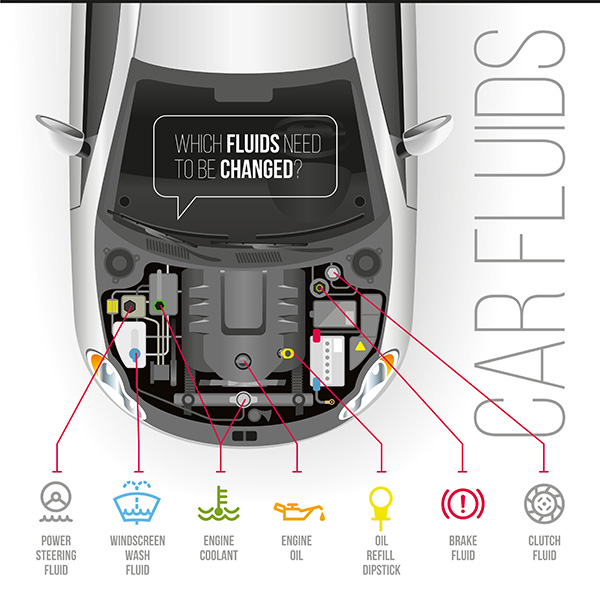 Vehicle Fluids You Should Check Regularly
- Change engine oil and filter at recommended intervals using the correct viscosity grade.
- Flush and replace transmission fluid according to severe or normal driving conditions.
- Test brake fluid with a moisture meter and replace if water content exceeds 3%.
Proactive Tire and Suspension System Care
Maximizing Tire Lifespan and Ride Quality Through Routine Checks
Tires and suspension components endure constant stress, making proactive care vital for safety and comfort. Tire pressure should be checked monthly and adjusted to the manufacturer's specifications, as underinflation increases heat buildup and wear, while overinflation reduces traction. Rotating tires every 5,000 to 6,000 miles promotes even tread wear and extends the set's life.
Wheel alignment should be verified annually or after hitting curbs or potholes, as misalignment causes uneven tread wear and pulls the vehicle sideways. Shocks and struts should be inspected for leaks or reduced damping every 50,000 miles; worn parts can increase stopping distances and degrade handling.
- Inflate tires to the recommended PSI, including the spare, using a quality gauge.
- Rotate tires in a cross pattern (e.g., front-left to rear-right) to balance wear.
- Check suspension for excessive bounce by pushing down on each corner and observing recovery.
Battery and Electrical System Preservation
Preventing Breakdowns by Monitoring Charging and Starting Components
The battery and electrical system are often overlooked until failure occurs, but simple habits can extend their life significantly. Battery terminals should be cleaned of corrosion every six months using a wire brush and a mixture of baking soda and water.
The battery's voltage should be tested with a multimeter; a healthy reading is around 12.6 volts when the engine is off and 13.7 to 14.7 volts when running. Alternator belts must be inspected for cracks or glazing and replaced every 60,000 miles to avoid charging failure. Starting the vehicle regularly (at least once a week) keeps the battery charged, especially during cold weather or long storage periods.
- Disconnect the negative terminal first when cleaning or replacing the battery to prevent shorts.
- Test the alternator output by checking voltage at the battery terminals with the engine running.
- Secure all loose wiring connections and replace frayed cables to prevent parasitic drain.
Frequently Asked Questions
How often should I replace my vehicle's timing belt to prevent long-term engine damage?
Replace your timing belt every 60,000 to 100,000 miles, as specified in your owner’s manual. Most manufacturers recommend intervals around 90,000 miles. Delaying replacement risks belt snapping, leading to catastrophic engine failure with bent valves or damaged pistons. This repair is costly, often exceeding $1,500. Always inspect the belt’s condition during routine maintenance and replace it along with the water pump and tensioners for optimal reliability. Proactive replacement avoids breakdowns and extends engine life.
You might be interested in this content. How to Extend the Life of Your Vehicle
What are the key components of a comprehensive long-term fluid maintenance plan?
Regularly change engine oil, transmission fluid, coolant, brake fluid, and power steering fluid according to your vehicle’s schedule. Engine oil should be replaced every 5,000–7,500 miles. Transmission fluid typically needs changing every 30,000–60,000 miles. Coolant flushes every 30,000 miles prevent corrosion and overheating. Brake fluid should be replaced every two years to maintain hydraulic pressure. Power steering fluid degrades over time; check and replace it if contaminated. Proper fluid maintenance prevents sludge buildup, lubricates parts, and avoids costly repairs.
How can I extend my car battery's lifespan beyond the average 3–5 years?
Keep your battery securely mounted to reduce vibration damage, as jolts can shorten its life. Clean terminal corrosion with a baking soda paste and water annually. Avoid short trips that prevent full recharging; combine errands to drive longer. In extreme cold or heat, use a battery blanket or parking in a garage. Test battery voltage every six months; replace it if it drops below 12.4 volts when off. Regular maintenance, including checking electrolyte levels in older batteries, ensures it lasts closer to five years.
What tire maintenance practices are crucial for long-term vehicle health and safety?
Rotate tires every 5,000–7,500 miles to ensure even wear across all four positions. Check tire pressure monthly, including the spare, as underinflation increases wear and fuel consumption.
Align your vehicle annually or after hitting a curb to prevent uneven tread wear. Inspect tread depth frequently using the penny test; replace tires when depth reaches 2/32 inches. Balancing tires during rotations prevents vibration. Proper tire care extends tread life, improves handling, and reduces the risk of blowouts, saving money over time.
Leave a Reply