
How to Prepare Your Car for Winter
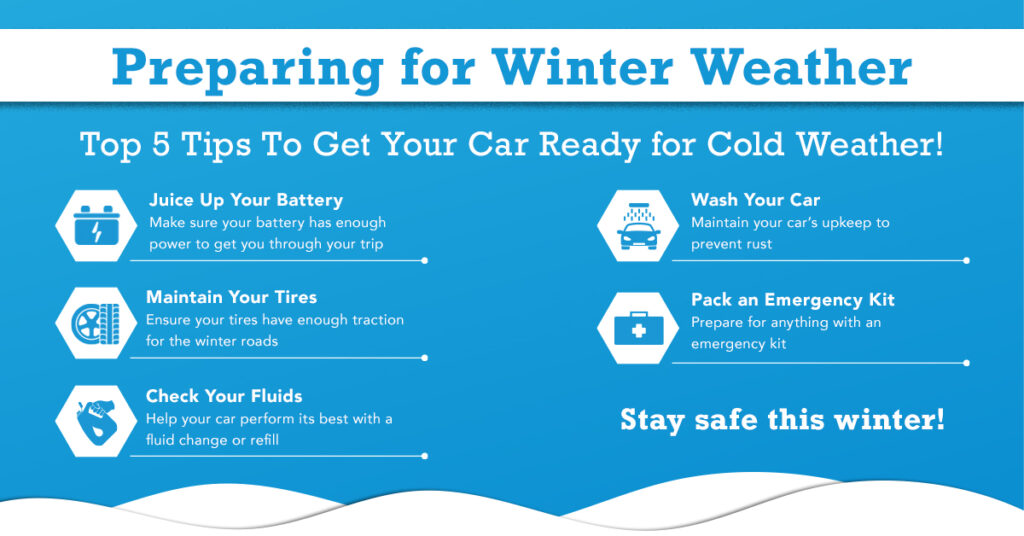
As winter approaches, the dropping temperatures and hazardous road conditions demand proactive car maintenance to ensure safety and reliability. Preparing your vehicle for cold weather involves a systematic check of essential components—from tires and battery to antifreeze and wipers—to prevent breakdowns and accidents.
A car neglected during winter months may suffer from frozen fluids, dead batteries, or poor traction on icy roads. This guide outlines crucial steps to winterize your car, helping you drive with confidence through snow, sleet, and freezing temperatures while protecting your investment from harsh seasonal wear.
How to Prepare Your Car for Winter
Preparing your car for winter is essential to ensure safety, reliability, and performance during the harsh cold months. This involves checking critical systems like the battery, tires, antifreeze, and brakes, as well as stocking emergency supplies.
You might be interested in this content. Long-Term Vehicle Maintenance Strategies
By taking proactive steps, you can prevent common winter breakdowns, improve traction on snow and ice, and keep your vehicle running smoothly when temperatures drop. Below are key areas to focus on to winterize your car effectively.
1. Check Your Battery and Electrical System
The cold weather puts extra strain on your car battery, often reducing its power output by up to 50% at freezing temperatures. To avoid being stranded, test your battery's charge and terminals for corrosion or loose connections.
If your battery is more than three years old, consider replacing it before winter. Also, inspect the alternator and starter to ensure the electrical system can handle increased demands from headlights, defrosters, and heaters.
You might be interested in this content. Kia Rio Maintenance Schedule: The Easy Guide to Keeping Your Rio Running Smoothly
2. Inspect Tires and Tread Depth
Proper traction is critical for driving on snow, ice, and slush, so check your tire tread depth using the penny test or a gauge. Tires with less than 4/32 inches of tread should be replaced, as they significantly reduce grip. Additionally, maintain tire pressure at the manufacturer's recommended levels, as cold air causes PSI to drop. For extreme winter conditions, consider installing winter tires for superior handling.
3. Change Fluids and Maintain the Antifreeze System
Your car's cooling system must function correctly to prevent engine freezing and overheating. Check the antifreeze concentration with a hydrometer; it should be a 50/50 mix of coolant and water to protect down to -34°F. Also, top off windshield washer fluid with a winter-grade solution that won't freeze, and replace engine oil with a lower viscosity grade (e.g., 5W-30) for easier cold starts. Inspect hoses and belts for cracks or leaks, as they become brittle in low temperatures.
| Component | Winter Action | Frequency |
|---|---|---|
| Battery | Test charge and clean terminals | Annually before winter |
| Tires | Check tread and pressure; switch to winter tires | Monthly & before winter |
| Antifreeze | Test concentration and top off | Once before winter |
| Windshield Fluid | Replace with winter-grade solution | Seasonal |
Essential Steps for Winterizing Your Vehicle
Which car maintenance tasks are essential before winter arrives?
Before winter arrives, performing certain car maintenance tasks is essential to ensure safety, reliability, and performance in cold weather conditions. Start by checking and topping off all fluids, including engine oil, coolant, windshield washer fluid, and brake fluid, as cold temperatures can thicken or freeze inadequate fluids.
You might be interested in this content. Hyundai Palisade Maintenance Schedule: A Practical Owner’s Guide
Inspect the battery for corrosion, secure connections, and test its charge, as cold weather reduces battery capacity. Examine the tires for adequate tread depth (at least 4/32 inch) and proper inflation, and consider switching to winter tires if you live in an area with snow and ice.
Test the heating and defrosting systems to ensure they work effectively for visibility and comfort. Replace worn windshield wipers and fill the washer reservoir with a winter-grade fluid that won’t freeze. Finally, inspect the brakes, belts, hoses, and the exhaust system for any potential issues that could worsen in cold conditions.
Winter Tire Preparation and Selection
Key considerations for tire safety in snow and ice
Tire condition is critical for winter driving, as reduced traction can lead to accidents on slippery roads. Proper preparation involves assessing your current tires and deciding if winter tires are necessary for your region.
You might be interested in this content. How to Drive on Snow and Ice
- Measure tread depth using a gauge or the penny test; replace tires if tread is below 4/32 inch for safe winter traction.
- Inflate tires to the manufacturer-recommended pressure, checking monthly since cold temperatures can cause pressure drops.
- Consider installing winter tires with a snowflake symbol, which provide better grip on snow and ice compared to all-season tires.
Battery and Electrical System Checks
Ensuring reliable starts in freezing temperatures
Car batteries lose up to 60% of their starting power in cold weather, making a pre-winter check essential. A weak battery can leave you stranded, so testing and maintenance are key before temperatures plummet.
- Test the battery voltage with a multimeter; a reading below 12.4 volts indicates it may need charging or replacement.
- Clean battery terminals of any corrosion using a wire brush and a mixture of baking soda and water to ensure good electrical contact.
- Check the alternator output and inspect all electrical connections, including fuses and wiring, to avoid failures in cold conditions.
Heating, Defrosting, and Visibility Systems
Maintaining clear vision and cabin comfort
Properly functioning heating and defrosting systems are vital for safety, as fogged windows or a frozen windshield can severely impair driving. Additionally, visibility aids like wipers and washer fluid must be winter-ready.
- Test the heater and defroster by turning them on high; ensure warm air blows evenly and the defroster clears the windshield quickly to prevent ice buildup.
- Replace worn windshield wipers with winter-specific blades that have rubber covers to prevent ice accumulation and streaking.
- Fill the windshield washer reservoir with a winter fluid rated to at least -20°F to avoid freezing when cleaning salt and grime from windows.
Frequently Asked Questions
Why is it important to check my car's battery before winter?
Cold weather significantly reduces a battery's cranking power, making it harder to start your engine. A battery older than three years is especially vulnerable. Have it professionally tested to ensure the voltage is adequate and the terminals are free from corrosion. Replacing a weak battery beforehand prevents inconvenient breakdowns on freezing mornings.
You might be interested in this content. Driving Safely in Canadian Winters
What type of winter tires should I use, and why?
Winter tires, often marked with a mountain/snowflake symbol, are made from a softer rubber compound that stays flexible in freezing temperatures. This provides superior traction on snow and ice compared to all-season tires. You should install four matching winter tires for optimal handling and braking. Ensure the tread depth is at least 6/32 of an inch for safe operation.
How do I properly prepare my vehicle's cooling system?
Your engine's coolant, a mixture of antifreeze and water, must protect against freezing. Ensure the ratio is correct, typically 50/50, to prevent the liquid from solidifying and cracking your engine block. Have the coolant's concentration and freeze point tested by a mechanic. Also, inspect all hoses and the radiator for leaks or cracks, replacing any that are brittle.
What essential items should I keep in an emergency car kit?
An emergency kit can be a lifesaver if you get stranded. Include a snow shovel, ice scraper, jumper cables, a flashlight with extra batteries, blankets, and warm clothing. Also pack non-perishable snacks, bottled water, a first-aid kit, and a bag of cat litter or sand for traction on ice. A fully charged power bank for your phone is also crucial for calling for help.
Leave a Reply