
Common Maintenance Mistakes to Avoid
When it comes to maintaining your home or vehicle, small oversights can lead to costly repairs down the line. Many people inadvertently skip crucial steps or rely on outdated practices, believing they are saving time or money.
However, these common maintenance mistakes—like neglecting regular inspections, using incorrect lubricants, or ignoring minor issues until they escalate—often backfire. Understanding what to avoid is just as vital as knowing what to do.
By recognizing these pitfalls, you can extend the lifespan of your equipment, improve efficiency, and prevent unnecessary expenses. A proactive approach ensures reliability and peace of mind, transforming routine care into long-term savings.
- Common Maintenance Mistakes to Avoid
- Common Maintenance Mistakes to Avoid: Protect Your Equipment and Save Costs
- Neglecting Scheduled Inspections
- Using Incorrect or Low-Quality Lubricants
- Over-Tightening Fasteners and Components
- Overlooking Seismic Retrofitting Requirements
- Ignoring Fire Prevention Landscaping Requirements
- Disregarding Drought-Tolerant Landscaping and Water Conservation
- Frequently Asked Questions
Common Maintenance Mistakes to Avoid
To keep your equipment, vehicle, or home in top condition, it is vital to recognize and avoid frequent maintenance errors. Overlooking these can lead to costly repairs, reduced efficiency, and safety hazards. By understanding what not to do, you can extend the lifespan of your assets and ensure they perform reliably.
Using the Wrong Type of Lubricant or Fluid
One of the most pervasive mistakes is using a lubricant or fluid that does not meet the manufacturer’s specifications. Many people assume that any oil or grease will work, but using the incorrect viscosity or additive package can lead to increased friction, overheating, and premature component failure.
You might be interested in this content. Vehicle Maintenance Costs in Canada
For example, putting engine oil in a hydraulic system or using a multi-purpose grease where a high-temperature lithium grease is required can dramatically reduce performance. Always consult your owner’s manual to verify the exact type and grade of fluid needed, as modern machinery is engineered to run on very specific formulations.
Neglecting Scheduled Inspections and Cleaning
A dangerous habit is waiting until something breaks before inspecting it. Skipping routine checks like looking at belts for cracks, cleaning air filters, or testing battery charge levels allows small issues to snowball into major failures.
Dirt and debris act as an insulator, causing components to overheat, while loose bolts from vibration can lead to misalignment. By implementing a regular inspection schedule and performing simple cleaning tasks, you can detect wear early and prevent unexpected downtime.
Attempting Repairs Without Proper Documentation
Jumping into a repair without the correct service manual or schematic is another common error. Relying on memory or guessing torque specifications often results in overtightened fasteners that strip threads or undertightened connections that leak. Modern systems often have specific disassembly sequences and calibration steps. Always refer to the official documentation to understand the correct procedures, as this one step can save you from causing secondary damage that is more expensive to fix than the original problem.
| Mistake | Consequence | Prevention Tip |
|---|---|---|
| Using wrong lubricant | Premature wear and overheating | Always verify manufacturer specs |
| Skipping inspections | Small issues become major failures | Set a recurring check schedule |
| Ignoring documentation | Stripped threads or misalignment | Read the service manual first |
Common Maintenance Mistakes to Avoid: Protect Your Equipment and Save Costs
What are the most common maintenance mistakes that should be avoided?
The most common maintenance mistakes that should be avoided include neglecting regular inspections, using incorrect lubricants, ignoring minor issues until they become major failures, over-tightening fasteners, and failing to follow manufacturer-recommended schedules. These errors often lead to reduced equipment lifespan, increased downtime, and higher repair costs.
You might be interested in this content. How to Prepare Your Car for Winter
Neglecting Scheduled Inspections
Consequences of skipping routine checks
When maintenance schedules are ignored, wear and tear can accumulate unnoticed, leading to sudden breakdowns. Routine inspections catch early signs of damage, such as cracks, leaks, or misalignments, allowing for timely corrections. Without these checks, small problems escalate into expensive overhauls.
- Unmonitored vibration can cause bearing failure or shaft fatigue.
- Leaks in fluid systems may lead to contamination and component seizure.
- Electrical connections loosen over time, risking short circuits or fires.
Using Incorrect or Low-Quality Lubricants
Impact of improper lubrication on machinery
Lubricants are formulated for specific temperatures, pressures, and materials. Applying the wrong type can cause excessive friction, overheating, or chemical corrosion. Additionally, mixing incompatible lubricants may gel or break down, ceasing to protect moving parts.
- Old or contaminated oil loses viscosity, causing metal-on-metal contact.
- Grease with wrong consistency can harden or leak out, leaving bearings dry.
- Low-quality additives may decompose early, accelerating wear.
Over-Tightening Fasteners and Components
Risks from excessive force during assembly
Many mechanics assume tighter is better, but over-tightening can strip threads, crack housings, or distort seals. This creates stress concentrations that lead to fatigue failure. Proper torque specifications exist to balance clamping force against material limits.
- Bolts stretched beyond yield may snap under operational loads.
- Gaskets crushed unevenly can cause leaks or blowouts.
- Cast iron parts are brittle and can fracture from high torque.
What are the most common maintenance mistakes to avoid in California?
Overlooking Seismic Retrofitting Requirements
Neglecting to secure your property against earthquakes
In California, the most common maintenance mistake is failing to address seismic vulnerabilities. Many homeowners and property managers ignore the need for retrofitting older structures, which can lead to catastrophic damage during an earthquake. This mistake often stems from a lack of awareness about state regulations or a reluctance to invest in upfront costs. Proper seismic retrofitting involves reinforcing foundations, bracing cripple walls, and securing water heaters. To avoid this error, follow these essential steps.
- Assess your building's age and construction type, as pre-1980 structures often lack modern seismic standards.
- Hire a licensed structural engineer to evaluate your property for weak points such as unbraced crawl spaces or unreinforced masonry.
- Install retrofit measures like anchor bolts, plywood sheathing, and automatic gas shut-off valves to reduce risk.
Ignoring Fire Prevention Landscaping Requirements
Failing to maintain defensible space around your property
Another critical mistake in California is neglecting fire prevention landscaping, particularly in wildfire-prone zones. Many residents do not clear dry vegetation, prune trees, or create adequate defensible space, which increases the risk of fire spreading to structures.
You might be interested in this content. Long-Term Vehicle Maintenance Strategies
This oversight can violate state and local fire codes, leading to fines or increased insurance premiums. Proper maintenance involves regular trimming, removal of dead plants, and spacing of shrubs. Follow these steps to ensure compliance and safety.
- Clear all dead or dying vegetation within 30 feet of your home, including leaves, branches, and dry grass.
- Trim tree branches that are within 10 feet of your roof or chimney to prevent ember ignition.
- Store firewood and combustible materials at least 30 feet away from structures and in approved containers.
Disregarding Drought-Tolerant Landscaping and Water Conservation
Using excessive or inefficient irrigation methods
A common maintenance mistake in California is failing to adapt landscaping to drought conditions, leading to water waste and potential penalties.
Many property owners overwater lawns or use outdated sprinkler systems that do not comply with state water conservation mandates. This can result in high utility bills, soil erosion, and plant disease. Avoiding this error requires shifting to drought-tolerant plants and efficient irrigation technologies. Implement the following steps to maintain a sustainable landscape.
- Replace grass and high-water-use plants with native, drought-resistant species such as succulents or California lilac.
- Install smart irrigation controllers that adjust watering schedules based on weather and soil moisture levels.
- Conduct regular leak inspections and upgrade to drip irrigation or soaker hoses to minimize runoff and evaporation.
Frequently Asked Questions
Why is it harmful to ignore small issues during routine maintenance?
Ignoring small issues allows them to escalate into major, costly repairs. For example, a loose bolt can lead to structural damage, or a minor fluid leak can cause engine failure. Early detection and repair using a maintenance checklist prevent your equipment from failing unexpectedly. Fixing small problems immediately preserves machinery function, saves money, and extends the lifespan of your assets.
What mistakes do people make with lubrication during maintenance?
A common mistake is over-lubricating or under-lubricating moving parts. Over-lubrication attracts dust and contaminants, causing buildup and clogging which increase friction.
You might be interested in this content.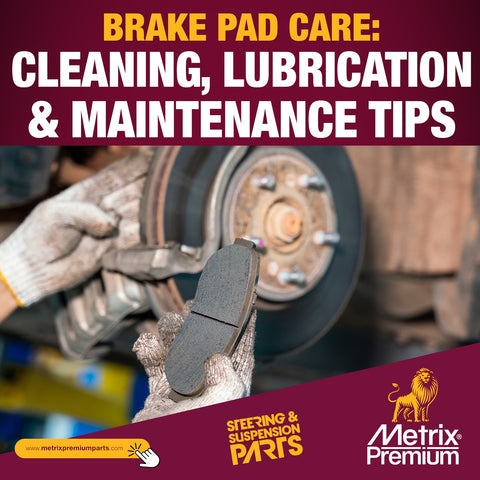 Brake Maintenance Tips
Under-lubrication leads to rapid wear and overheating. You must follow manufacturer guidelines for lubricant type and quantity. Properly lubricated equipment runs smoother, protects components, and prevents unscheduled downtime.
How does failing to keep accurate maintenance records cause problems?
Without accurate records, you lose track of performed services and parts replaced, leading to incomplete or redundant maintenance. This oversight can result in missed scheduled tasks like filter changes or inspections.
Accurate logs ensure you follow a consistent plan, identify recurring issues, and prove compliance to warranties or regulations. Reliable documentation helps you make informed repair decisions and budget for future expenses.
Why should you never skip safety checks before maintenance tasks?
Skipping safety checks like shutting down power, locking out energy sources, or wearing PPE puts workers at immediate risk of injury or death.
For example, a machine that unexpectedly starts can cause crushing injuries or amputations. Safety procedures protect both technicians and equipment. Always review and follow operational safety protocols; a few minutes spent verifying safety prevents life-altering accidents and ensures a secure work environment.
You might be interested in this content. Highway Driving Tips for Beginners
Leave a Reply