
Signs Your Transmission Is Failing

One of the most critical yet overlooked components in a vehicle is the transmission, which ensures smooth power transfer from the engine to the wheels. When it begins to fail, early detection can prevent costly repairs or complete breakdowns.
Subtle signs—such as delayed gear engagement, unusual whining or clunking noises, leaking fluid, or a burning smell—may indicate underlying issues. Ignoring these warnings can compromise safety and drivability. This article explores key symptoms of transmission trouble, helping you identify problems early and take proactive steps to protect your car’s longevity and performance.
Signs Your Transmission Is Failing: Key Warning Indicators
Your vehicle's transmission is a complex component responsible for transferring power from the engine to the wheels, and its failure can lead to costly repairs if ignored. Recognizing the early signs of a failing transmission can save you time, money, and the inconvenience of being stranded.
Common symptoms include unusual noises, leaking fluids, and erratic shifting behavior. Below, we explore three critical indicators that signal your transmission may be in trouble.
You might be interested in this content.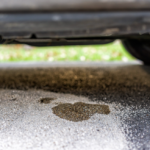 Why Does My Car Leak Fluids?
Burning Smell or Transmission Fluid Leaks
A burning smell often indicates that your transmission fluid is overheating or has degraded, losing its lubricating properties. This odor typically arises from low fluid levels or a leaking transmission pan, where bright red or brown puddles form under your parked car. If you notice a sweet, burnt scent, it's crucial to check the fluid condition immediately, as continued driving can cause internal component damage and eventual gear failure.
Delayed Engagement or Slipping Gears
When you shift from park to drive or reverse, a noticeable delay (hesitation) of several seconds before the car moves is a clear sign of transmission trouble. Slipping gears occur when the transmission unexpectedly jumps out of gear or revs higher than normal without an increase in speed, often accompanied by a grinding noise. This indicates worn clutch packs or failing solenoids, which require immediate professional inspection to prevent total transmission breakdown.
Grinding, Whining, or Clunking Noises
Strange sounds during gear shifts or while the car is in neutral are strong indicators of a failing transmission. A grinding noise typically points to worn synchronizers or bearings, while a whining sound can signal low transmission fluid or a failing pump. Clunking or thumping noises, especially during acceleration or deceleration, often accompany damaged gears or torque converter problems, demanding urgent diagnostic attention.
| Symptom | Possible Cause | Action Required |
|---|---|---|
| Burning smell | Overheated or degraded fluid, leak | Check and replace fluid; inspect for leaks |
| Delayed engagement | Worn clutches, low fluid pressure | Professional transmission inspection |
| Grinding noises | Worn bearings, synchronizers, or gears | Immediate mechanic evaluation |
| Slipping gears | Failing solenoids, low fluid | Transmission service or rebuild |
Common Symptoms of Transmission Failure You Should Not Ignore
What Are the Most Common Causes of Transmission Failure?
The most common causes of transmission failure stem from a combination of fluid issues, mechanical wear, and driver habits. Low or degraded transmission fluid leads to insufficient lubrication and overheating, causing internal components to seize or grind. Delayed or rough shifting often results from clogged filters or worn solenoids, while complete failure can follow severe neglect of routine maintenance.
You might be interested in this content. Most Common SUV Problems
Degraded or Low Transmission Fluid
Transmission fluid serves as both a lubricant and a hydraulic medium. When levels drop due to leaks or are not topped off, friction increases dramatically, generating excessive heat that breaks down the fluid's chemical properties. Over time, contaminated fluid with metal shavings or burnt particles loses its ability to cool and protect gears.
- Low fluid level causes slipping gears and delayed engagement.
- Burnt fluid loses viscosity and fails to cushion moving parts.
- Contaminated fluid blocks narrow passages in the valve body.
Mechanical Wear and Component Breakdown
Failed Clutches, Bands, and Torque Converters
Inside the transmission, clutches and bands rely on friction material to grip and release gears. After thousands of miles, these materials wear thin, leading to slippage and harsh shifts. The torque converter, which transfers engine power, can fail due to worn needle bearings or a broken stator, resulting in shuddering or complete loss of drive.
- Worn clutch packs cause gear slippage and erratic shifting.
- Broken bands fail to hold gears, preventing forward or reverse movement.
- Torque converter lockup failure creates vibration and overheating.
Electronic and Hydraulic Control Failures
Malfunctioning Solenoids and Valve Body Issues
Modern transmissions rely on electronic solenoids to regulate fluid flow into the valve body. When solenoids fail due to electrical shorts or debris, shift timing becomes erratic. The valve body itself can develop internal leaks or stuck spools, preventing pressure from reaching the correct clutch packs and causing harsh engagement or no movement at all.
- Stuck shift solenoids cause limp mode or missing gears.
- Valve body wear produces delayed or harsh shifts.
- Electrical connector corrosion disrupts sensor signals to the transmission control module.
Frequently Asked Questions
What are common signs of transmission failure while driving?
Common signs include delayed or harsh shifting, where the transmission hesitates before engaging gears or jerks during changes. You may also notice slipping gears, where the engine revs high but the vehicle doesn’t accelerate properly.
You might be interested in this content. Kia Rio Check Engine Light: What It Means, Causes, and Fixes
Strange noises like grinding, whining, or clunking when in gear are strong indicators. Additionally, a burning smell from transmission fluid overheating or leaking fluid under the car often signals internal damage requiring immediate inspection.
How does transmission fluid condition indicate failure?
Transmission fluid should be bright red and sweet-smelling; if it’s dark, burnt, or has a metallic odor, that suggests overheating and internal wear. Low fluid levels, caused by leaks, can lead to poor lubrication and overheating.
Contaminated fluid with debris or particles indicates clutch or gear damage. Regularly checking fluid color, smell, and level helps catch failure early—if it’s brown or has particles, seek professional diagnosis promptly.
Can warning lights indicate transmission problems?
Yes, the Check Engine light or specific transmission warning light on your dashboard often signals issues. Modern vehicles have sensors that detect irregularities like slipping, overheating, or fluid pressure problems. While not always transmission-specific, it’s critical to scan for diagnostic trouble codes immediately. Ignoring these lights can worsen damage, so visit a mechanic for a thorough scan and inspection to avoid costly repairs down the line.
You might be interested in this content. Most Common Transmission Problems
What unusual noises suggest transmission failure?
Grinding or shaking in any gear may indicate worn gears or low fluid. Whining or humming sounds when accelerating could signal bearing failure. Clunking noises during shifts point to transmission mount damage or gear misalignment.
A high-pitched screech when shifting gears often stems from worn clutch components. If you hear any unusual sounds, especially with performance changes, have the transmission checked quickly to prevent catastrophic breakdowns or safety risks.
Leave a Reply