
Common Electrical Problems in Cars
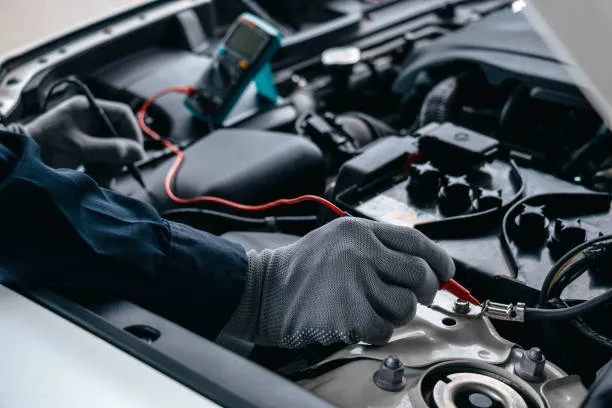
Electrical issues are among the most frustrating and common problems faced by car owners. From a dead battery interrupting your morning commute to flickering headlights compromising night safety, these malfunctions can stem from various sources—faulty alternators, corroded wiring, blown fuses, or failing sensors.
Early detection is key, as neglected electrical problems may escalate into costly repairs or even dangerous situations like engine stalling or electrical fires. Understanding the typical culprits behind these issues helps drivers troubleshoot effectively and seek professional assistance when necessary. This article explores the most prevalent electrical problems in vehicles and offers practical insights for maintaining reliable performance.
- Understanding Common Electrical Problems in Cars and How to Identify Them
- Common Electrical Problems in Cars
- Battery-Related Failures in Vehicles
- Alternator and Charging System Malfunctions
- Wiring and Connection Problems
- How to Test a Car Battery for Electrical Faults
- How to Diagnose a Faulty Alternator
- How to Troubleshoot Blown Fuses and Wiring Issues
- Diagnosing and Resolving a Dead Battery
- Identifying and Fixing a Faulty Alternator
- Resolving Blown Fuses and Wiring Issues
- Frequently Asked Questions
Understanding Common Electrical Problems in Cars and How to Identify Them
Modern vehicles rely heavily on complex electrical systems to power everything from the engine control unit to the infotainment screen. Common electrical problems in cars can range from a simple blown fuse to a failing alternator, often causing frustrating symptoms such as dimming lights, a dead battery, or unexpected warning lights.
Identifying these issues early is crucial because electrical faults can lead to more severe damage or leave you stranded. The key is to look for patterns of failure, such as components that only work intermittently or specific systems that lose power simultaneously. A methodical approach, starting with checking the battery and fuses, is your best strategy for diagnosing these often-misunderstood malfunctions.
Dead Battery: The Most Frequent Culprit
A dead battery is by far the most common electrical issue drivers encounter, often presenting as a slow cranking engine or a complete lack of response when turning the key. This problem typically stems from leaving interior lights on, a faulty alternator that fails to recharge the battery, or simply an aged battery that has lost its capacity to hold a charge.
In colder weather, chemical reactions inside the battery slow down, making it even more likely to fail. While a jump-start can get you back on the road temporarily, a permanent solution requires testing the battery with a multimeter or a load tester to confirm it needs replacement, and also verifying that the alternator is outputting the correct voltage (around 13.5 to 14.5 volts).
Faulty Alternator: When the Charging System Fails
While a dead battery is a common issue, a faulty alternator is often the underlying cause, as it is responsible for generating electricity to recharge the battery and power the vehicle’s electrical systems while the engine runs.
Signs of a failing alternator include dimming headlights while driving, a battery warning light on the dashboard, and strange noises like a whining or grinding sound from the front of the engine. If the alternator fails completely, the car will run solely on battery power until the battery depletes, leading to a sudden stall. A simple check involves using a voltmeter on the battery terminals while the engine is running; if the voltage reading is below 13 volts, the alternator is likely not charging correctly.
Blown Fuses and Corroded Connections
Blown fuses and corroded electrical connections represent some of the easiest-to-fix yet most overlooked electrical problems in cars, causing specific components like the radio, power windows, or turn signals to stop working entirely. A blown fuse is a protective measure that occurs when a circuit is overloaded with current, and it can be identified by looking at the thin metal strip inside the fuse.
Corroded or loose connections, particularly at battery terminals and ground points, can cause intermittent electrical failures, such as lights flickering or sensors malfunctioning. Cleaning battery terminals with a wire brush and tightening all visible connections is a good first step, but you should also inspect the fuse box for any signs of rust or damaged wires.
You might be interested in this content. Why Does My Car Vibrate at Highway Speeds?
| Common Symptom | Likely Cause | Simple Diagnostic Check |
|---|---|---|
| Engine won't crank | Dead battery or corroded terminals | Test battery voltage at 12.6V (resting) |
| Dimming headlights | Faulty alternator or weak battery | Check alternator output (13.5V–14.5V) |
| Radio or window stops working | Blown fuse or broken wire | Inspect the specific fuse in the fuse box |
| Intermittent electrical issues | Corroded ground connection | Clean and tighten all ground straps |
Common Electrical Problems in Cars
What are the most frequent electrical issues found in vehicles?
The most frequent electrical issues found in vehicles include a dead battery, a faulty alternator, a bad starter motor, a blown fuse, a malfunctioning ignition switch, and corroded or loose battery terminals. These problems often manifest as difficulty starting the engine, dimming headlights, flickering interior lights, or complete electrical failure. The battery is the most common culprit, typically due to age or leaving lights on, while alternator failure prevents the battery from recharging.
Wiring issues, such as chafed or broken wires from vibration or rodent damage, also rank highly, leading to intermittent power loss or short circuits. Sensor failures, especially in oxygen or crankshaft position sensors, can disrupt engine management and trigger warning lights. Finally, parasitic drains from accessories or modules left active when the vehicle is off can slowly deplete the battery over time.
Common Symptoms and Causes of Battery Failure
Battery issues are the most prevalent electrical problem in vehicles, often resulting from age, extreme temperatures, or leaving electrical components on. A battery typically lasts three to five years before its capacity diminishes.
Sulfation, where lead sulfate crystals build up on plates, and internal short circuits can also cause failure. Symptoms include a slow cranking engine, a clicking sound when turning the key, or dim dashboard lights. Corrosion at the terminals can impede current flow, while a loose connection may cause intermittent power loss.
- Slow engine cranking or inability to start
- Corrosion on battery terminals or cables
- Swelling or cracking of the battery case
Alternator and Charging System Malfunctions
How a Failing Alternator Affects Vehicle Electronics
The alternator charges the battery and powers electrical systems while the engine runs. When it fails, the vehicle relies solely on the battery, leading to rapid drainage. Common causes include worn brushes, failed diodes, or a broken serpentine belt.
Symptoms include a battery warning light on the dashboard, flickering headlights, a dead battery shortly after jump-starting, or a whining noise from the engine bay. A faulty voltage regulator can cause overcharging, which damages the battery and other electronics, while undercharging leaves systems underpowered.
- Dashboard battery warning light illuminated
- Headlights dimming or flickering while driving
- Electrical accessories like power windows operating slowly
Wiring and Connection Problems
Impact of Damaged or Loose Wiring on Vehicle Performance
Wiring harnesses and connectors are vulnerable to wear from heat, vibration, and moisture. Chafed insulation can cause short circuits, while loose ground connections lead to erratic behavior in lights, sensors, or the starter.
Rodents often chew on wires, especially those containing soy-based insulation. Symptoms include intermittent electrical failures, blown fuses, or a strong smell of burning plastic. Poor connections at fuse boxes or relay sockets can also cause specific systems to stop working, such as the fuel pump or air conditioning.
- Intermittent loss of power to lights or radio
- Multiple blown fuses for unrelated circuits
- Burning smell or visible melted insulation near wiring
How to Diagnose Common Electrical Problems in Cars?
Diagnosing common electrical problems in cars involves a systematic approach to identify issues such as dead batteries, faulty alternators, blown fuses, bad starters, or wiring faults. Start by verifying the battery voltage with a multimeter; a healthy battery should read around 12.6 volts when off and 13.7 to 14.7 volts when the engine is running.
Check for corrosion on battery terminals and clean them if necessary. Inspect fuses for any that are blown by looking for a broken metal strip inside, and replace them with the same amperage. Test the alternator by using a multimeter across the battery terminals while the engine runs; a low reading indicates a failing alternator. For starting issues, listen for clicking sounds, which often point to a weak battery or bad starter solenoid.
You might be interested in this content. Common Winter Vehicle Problems
Examine wiring for visible damage, such as frayed or melted insulation, especially in areas subject to movement or heat. Use a test light to locate power loss in circuits by probing connectors along the suspected path.
How to Test a Car Battery for Electrical Faults
Performing a Load Test and Voltage Check
To accurately diagnose a car battery, you need to assess both its resting voltage and its ability to hold a charge under load. Start by setting a multimeter to DC voltage and placing the probes on the battery terminals.
A reading below 12.4 volts suggests a partially discharged battery, while below 12.0 volts indicates a significant discharge. For a load test, use a battery load tester or take the vehicle to a shop; this applies a simulated starting load to see if the voltage drops below 9.6 volts.
If it does, the battery likely needs replacement. Additionally, inspect the battery case for bulging or cracks, which can indicate internal damage. Clean any corrosion with a baking soda and water solution, and ensure the connections are tight. If the battery is more than three years old, consider it a priority suspect.
- Measure the battery voltage with the engine off using a multimeter; record the reading.
- Turn on the headlights for two minutes to remove surface charge, then re-measure the voltage.
- Perform a load test by cranking the engine or using a dedicated load tester; note the voltage drop.
- Check the battery terminals for corrosion and clean them if needed.
- Inspect the battery age and condition; replace if it fails the load test or shows physical damage.
How to Diagnose a Faulty Alternator
Checking Charging Output and Circuit Connections
A faulty alternator often causes dim headlights, a dead battery, or warning lights on the dashboard. Begin by starting the engine and using a multimeter to measure voltage across the battery terminals. A functioning alternator should produce between 13.7 and 14.7 volts. If the voltage is below 13.5 volts, the alternator may not be charging properly.
Next, check the serpentine belt tension and condition; a loose or worn belt can prevent the alternator from spinning at full speed. Inspect the alternator wiring for loose or corroded connections, especially the large output cable and the field wire connector.
Listen for unusual noises like grinding or whining, which could indicate bearing failure. A simple test involves turning on all electrical loads (headlights, radio, air conditioning) and monitoring if the voltage drops significantly; a good alternator should maintain output.
- Start the engine and set the multimeter to DC voltage; connect it to the battery terminals.
- Record the voltage; it should be between 13.7 and 14.7 volts.
- Turn on headlights and other accessories; if voltage drops below 13.0 volts, suspect alternator fault.
- Inspect the serpentine belt for cracks, glazing, or looseness.
- Check all alternator connections for corrosion or damage, and tighten as needed.
How to Troubleshoot Blown Fuses and Wiring Issues
Identifying Circuit Failures and Repairing Faults
Blown fuses often indicate a short circuit or overloaded component. Locate the fuse box under the dash or hood, and use the diagram on the cover to find the relevant fuse. Pull the fuse and inspect the metal strip; if it is broken, replace it with a fuse of the same amperage. If the new fuse blows immediately, there is a persistent short circuit. To trace wiring issues, use a test light or multimeter to check for power at various points in the circuit.
For example, if a light is not working, test the socket for voltage and ground. Look for chafed wires where they rub against metal edges, especially near doors, trunk hinges, or engine components. Corroded connectors can also cause intermittent failures; clean them with electrical contact cleaner. For complex problems, isolate the circuit by disconnecting components one at a time to find the short.
- Locate the fuse box and identify the failed circuit using the diagram.
- Remove the suspect fuse and check its continuity with a multimeter or visually.
- Replace the blown fuse with one of identical amperage; if it blows again, a short exists.
- Use a test light to probe for power along the circuit, starting from the fuse.
- Inspect wiring for physical damage, especially in high-motion areas, and repair or replace as needed.
What are the most frequent electrical issues in cars and how can they be resolved?
The most frequent electrical issues in cars include a dead battery, faulty alternator, blown fuse, bad starter motor, failed spark plugs or ignition coil, malfunctioning power window or lock switches, and issues with the car's wiring or ground connections. To resolve a dead battery, jump-start the car or replace the battery if it no longer holds a charge.
You might be interested in this content. Most Expensive Car Repairs to Avoid
For a faulty alternator, test the charging system and replace the alternator if output is low or inconsistent. A blown fuse can be fixed by locating the affected circuit in the fuse box and replacing the fuse with one of the same amperage. A bad starter motor often requires testing the solenoid and battery connections, then replacing the starter if needed.
Spark plug or ignition coil failures are resolved by inspecting and replacing worn components. For power window or lock switches, clean or replace the switch assembly or repair broken wiring. Wiring or ground issues involve checking for corrosion, loose connections, or damaged insulation and repairing as necessary.
Diagnosing and Resolving a Dead Battery
A dead battery is the most common electrical issue in cars, often caused by leaving lights on, extreme temperatures, or an old battery that no longer holds a charge. Symptoms include a clicking sound when turning the key or dim dashboard lights. To diagnose, test the battery voltage with a multimeter; a healthy battery should read around 12.6 volts when the engine is off and 13.7 to 14.7 volts when running.
- Check for corrosion on battery terminals and clean them with a wire brush and baking soda solution.
- Jump-start the car using jumper cables and another vehicle, connecting positive to positive and negative to a grounded metal surface.
- If the battery fails to hold a charge after a jump-start, replace it with a new one matching the manufacturer's specifications.
Identifying and Fixing a Faulty Alternator
Alternator failures and how to address them
A faulty alternator can cause the battery to drain quickly, dimming headlights, or warning lights on the dashboard. The alternator charges the battery while the engine runs; if it fails, electrical systems may shut down. Test the alternator by checking the battery voltage with the engine running; if it is below 13 volts, the alternator may be defective.
- Inspect the serpentine belt for wear or looseness, as a broken belt will stop the alternator from working.
- Use a multimeter to measure voltage at the alternator output terminal; replace the alternator if no or low output is detected.
- Check all electrical connections to the alternator for tightness and corrosion, and repair or replace as needed.
Resolving Blown Fuses and Wiring Issues
Common electrical shorts and ground faults
Blown fuses occur when too much current flows through a circuit, often due to a short circuit or a failed component. Wiring issues include frayed wires, loose grounds, or damaged insulation that can cause intermittent power loss. Symptoms include non-functioning accessories like radio, lights, or power outlets. Locate the fuse box and use the owner's manual to identify the affected circuit.
- Remove the blown fuse and replace it with one of the exact same amperage rating to prevent further damage.
- Inspect the wiring harness for visible damage, such as cuts or burns, and repair with electrical tape or soldering.
- Test ground connections by measuring resistance between the negative battery terminal and chassis; clean or tighten any loose or corroded grounds.
Frequently Asked Questions
Why does my car battery keep dying?
A dead battery often stems from leaving lights or accessories on overnight. However, a faulty alternator—which fails to recharge the battery while driving—or a parasitic drain from a malfunctioning component like a trunk light or stereo can also be the cause. Additionally, extreme temperatures, corroded terminals, or an old battery (over three years) reduce its capacity. Have a mechanic test the battery and charging system to pinpoint the specific issue.
What causes my headlights to dim or flicker?
Dim or flickering headlights usually indicate a weak alternator, which fails to supply steady voltage. Loose or corroded wiring connections, a damaged ground strap, or a failing voltage regulator can also disrupt power.
Check the battery terminals first for cleanliness and tightness. If the alternator is faulty, it may need replacement to ensure consistent electrical output. Driving with flickering lights reduces visibility and risks complete failure.
Why won't my car's power windows work?
Power window failure commonly results from a blown fuse, especially if all windows stop working. If only one window is affected, the motor or regulator may be broken, or the switch could be faulty.
Worn wiring inside the door panel often causes intermittent operation. Listen for a clicking sound when pressing the switch; if silent, the motor likely needs replacement. Inspect the fuse box first, as this is the cheapest and simplest fix.
You might be interested in this content. Signs of a Failing Car Battery
What does a clicking noise when starting the car mean?
A rapid clicking noise when you turn the key typically points to a weak or dead battery unable to deliver enough power to the starter motor. It may also indicate corroded battery terminals or loose cable connections.
If the sound is a single loud click, the starter solenoid or starter motor itself could be faulty. Jump-starting the car can confirm a battery issue, but if clicks persist, have the battery, alternator, and starter professionally tested.
Leave a Reply