
Common Brake Problems Explained
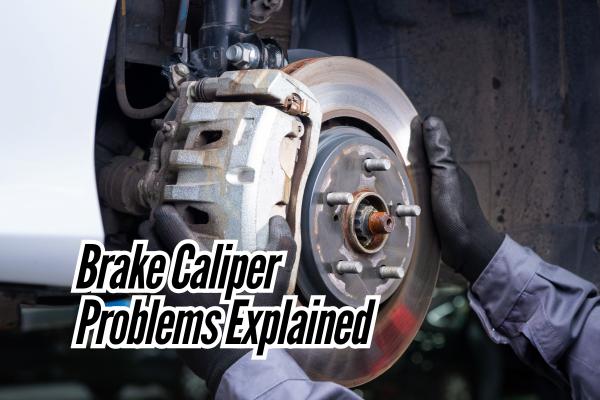
Brakes are among the most critical safety components in any vehicle, yet many drivers overlook subtle signs of trouble until it's too late. From squealing noises to a spongy pedal, common brake issues can stem from worn pads, warped rotors, or leaking hydraulic fluid. Ignoring these symptoms not only compromises stopping power but also escalates repair costs.
Understanding the root causes—such as friction wear, air in the brake lines, or contaminated fluid—empowers drivers to take timely action. This article delves into frequent brake problems, offering clear explanations and practical insights to help you maintain reliable, responsive brakes for safer driving.
- Understanding Common Brake Problems Explained
- Squealing or Screeching Noises
- Grinding or Metal-on-Metal Sounds
- Spongy or Soft Brake Pedal Feel
- Addressing Squealing and Grinding Noises
- Dealing with a Soft or Spongy Brake Pedal
- Fixing a Pulsating Brake Pedal and Pulling to One Side
- Brake Pad Wear and Thickness Issues
- Warped or Damaged Brake Rotors
- Brake Fluid Leaks and Contamination
- Frequently Asked Questions
Understanding Common Brake Problems Explained
Brake systems are critical for vehicle safety, and issues can arise from various components like pads, rotors, or fluid. Common problems include squealing noises, a soft brake pedal, or vibrations during stopping.
These symptoms often indicate wear, contamination, or hydraulic failures that require prompt attention. Proper diagnostics help identify whether the issue stems from worn brake pads, warped rotors, or air in the brake lines. Addressing these problems early prevents further damage and ensures reliable stopping power.
Squeaking or Squealing Noises When Braking
Squeaking or squealing noises are often caused by worn brake pads that have reached their indicator tabs, which emit a high-pitched sound to alert the driver. However, it can also result from glazed pad surfaces or vibration between the pad and caliper.
In some cases, metal dust or debris trapped between the pad and rotor produces similar sounds. Regular inspection and replacing pads with high-quality ceramic or semi-metallic materials can resolve this issue. If the noise persists, checking for dry caliper slide pins or uneven rotor wear is advisable.
You might be interested in this content. Signs of a Failing Car Battery
Soft or Spongy Brake Pedal
A soft or spongy brake pedal typically indicates air in the brake lines, which reduces hydraulic pressure and braking efficiency. This condition often follows brake fluid leaks or improper bleeding after component replacement. Another cause could be worn master cylinder seals causing internal fluid bypass.
Additionally, contaminated brake fluid (e.g., from moisture absorption) lowers its boiling point and leads to a spongy feel. Bleeding the system with fresh DOT-specified fluid and repairing any leaks usually restores firm pedal feel. If the problem persists, consider replacing the master cylinder.
Vibration or Pulsation When Braking
Vibration or pulsation in the brake pedal or steering wheel is often due to warped brake rotors caused by excessive heat or uneven wear. This occurs when thick brake pad deposits create high spots on the rotor surface.
Another cause is uneven rotor thickness from prolonged braking or faulty calipers. Resurfacing or replacing the rotors with premium drilled or slotted rotors can eliminate vibration. It is also important to check wheel hub runout and caliper alignment. Using torque wrenches for proper lug nut tightening prevents rotor distortion.
| Brake Problem | Common Cause | Typical Solution |
|---|---|---|
| Squeaking/Squealing | Worn brake pads or glazing | Replace pads, resurface rotors |
| Soft Pedal | Air in brake lines or fluid leak | Bleed system and repair leaks |
| Vibration/Pulsation | Warped rotors or uneven wear | Resurface or replace rotors |
Squealing or Screeching Noises
Identifying the Source of High-Pitched Brake Sounds
Squealing or screeching when braking is one of the most common issues drivers encounter. This noise is often a deliberate indicator built into modern brake pads. A small metal wear indicator tab is designed to contact the brake rotor when the friction material has worn down to a certain thickness.
The resulting high-pitched sound alerts the driver that the pads need replacement soon. However, screeching can also be caused by vibration between the brake pad and the caliper, or by glazing on the pad surface from excessive heat.
You might be interested in this content. Common Suspension Problems
- Listen for a high-pitched squeal that occurs only when the brake pedal is pressed, not during normal driving.
- Check the brake pad thickness by looking through the spaces between the wheel spokes. If the pad material appears less than 1/4 inch, replacement is likely needed.
- Notice if the noise persists in both wet and dry conditions. Moisture can temporarily amplify noise but should fade as the brakes dry.
Grinding or Metal-on-Metal Sounds
Recognizing Severe Brake Wear and Rotor Damage
A grinding noise that sounds like metal scraping against metal indicates that the brake pads have worn down completely. When the friction material is gone, the metal backing plate of the pad directly contacts the brake rotor.
This not only produces a loud, harsh sound but also damages the rotor surface. Continuing to drive with this condition can lead to costly rotor replacement or resurfacing. In some cases, debris or a small stone lodged between the pad and rotor can also cause a grinding sound.
- Feel for vibrations in the brake pedal or steering wheel during braking, which often accompanies grinding noises.
- Inspect the rotor surface through the wheel for deep grooves or scoring marks.
- Test the brakes at low speed in a safe area. If the grinding sound is consistent, do not drive further and schedule immediate service.
Spongy or Soft Brake Pedal Feel
Diagnosing Hydraulic System Problems
A brake pedal that feels soft, spongy, or sinks too far toward the floor indicates a problem in the hydraulic braking system. This condition is most frequently caused by air trapped in the brake lines, which compresses instead of transferring force to the brake calipers.
Other possible causes include a brake fluid leak, a failing master cylinder, or worn brake hoses that expand under pressure. A soft pedal reduces stopping power and increases the distance required to bring the vehicle to a halt.
- Pump the brake pedal several times with the engine off. If the pedal firms up gradually, air in the system is likely the cause.
- Check the brake fluid reservoir under the hood. Low fluid levels may indicate a leak that needs immediate attention.
- Look for visible fluid leaks around the wheels or along the brake lines under the vehicle. Wet spots near the calipers or along rubber hoses are warning signs.
What Are the Most Common Brake Problems and How Can You Fix Them?
Brake problems often manifest through unusual noises, reduced stopping power, or pedal irregularities. One of the most common issues is worn brake pads.
When the friction material wears down, a metal indicator can create a squealing or grinding noise. To fix this, you need to replace the brake pads and, if the rotors are scored or warped, resurface or replace them as well. Another frequent problem is a soft or spongy brake pedal, which typically indicates air in the brake lines. This is remedied by bleeding the brake system to remove air pockets, often requiring a helper or a vacuum bleeder kit.
You might be interested in this content. Why Is My Car Overheating?
Brake fluid leaks, often from corroded lines or failed calipers, can cause a loss of pressure and a sinking pedal. Repair involves locating the leak, replacing the damaged component, and refilling and bleeding the system. Finally, a pulsating brake pedal usually points to warped rotors, which can be corrected by machining the rotors or replacing them entirely.
Addressing Squealing and Grinding Noises
Identifying the Source of Brake Noise and Performing Effective Repairs
Squealing or grinding from the brakes often signals that the friction material is depleted, allowing metal to contact metal. This can also occur due to glazed pads, dust accumulation, or improperly installed hardware. Fixing the issue requires a thorough inspection and mechanical action.
- Remove the wheel and visually inspect the brake pads for thickness; if the friction layer is less than 1/4 inch, replacement is necessary.
- Check the rotors for scoring or grooves; if damaged, have them resurfaced or replace them to ensure a smooth contact surface.
- Apply a thin layer of brake-specific anti-squeal compound to the back of new pads before installation, and ensure all clips and shims are properly positioned to prevent vibration.
Dealing with a Soft or Spongy Brake Pedal
Restoring Firm Pedal Feel by Bleeding and Inspecting the System
A brake pedal that feels soft or sinks toward the floor indicates compromised hydraulic pressure, most commonly due to air trapped in the lines. Moisture in the brake fluid can also lower its boiling point, causing vapor bubbles. The fix involves removing the air and ensuring fluid integrity.
- Start by topping off the brake fluid reservoir with the recommended DOT type (e.g., DOT 3 or DOT 4), then begin the bleeding process at the wheel farthest from the master cylinder.
- With a helper, pump the pedal several times, hold it down, and open the bleeder valve on the caliper to release air and fluid, then close the valve before releasing the pedal. Repeat until no bubbles appear.
- If the pedal remains soft after bleeding, inspect all brake lines and hoses for cracks or swelling, and replace any degraded components as they can allow air ingress.
Fixing a Pulsating Brake Pedal and Pulling to One Side
Correcting Rotor Warpage and Caliper Malfunctions for Even Braking
A pulsating sensation when applying the brakes typically comes from rotors that have become warped due to excessive heat and uneven wear. Pulling to one side can result from a stuck caliper piston, uneven pad wear, or a collapsed brake hose. Addressing these issues restores smooth stopping.
- Measure rotor runout with a dial indicator; if it exceeds specifications, remove the rotors and have them machined or replace them with new ones to provide a flat braking surface.
- Check the caliper slide pins and pistons for freedom of movement; if pins are seized, clean and lubricate them with brake-safe grease, and if the piston is stuck, rebuild or replace the caliper.
- Inspect brake hoses for internal collapse by having an assistant press the pedal while you feel for restricted flow; replace any hose that feels abnormally stiff or bulging.
What are the most common brake issues in Toyota vehicles and how are they diagnosed?
The most common brake issues in Toyota vehicles include brake pad wear, warped brake rotors, brake fluid leaks, and sticking brake calipers. These problems are diagnosed through visual inspection, listening for abnormal noises, checking brake fluid levels and condition, and test-driving the vehicle to feel for vibrations or pulling.
Diagnostic tools like OBD-II scanners are less commonly used for brakes unless related to the anti-lock braking system (ABS), where error codes can pinpoint sensor or module failures.
You might be interested in this content. Why Is My Car Making Strange Noises?
Brake Pad Wear and Thickness Issues
Identifying Worn Brake Pads Through Visual and Auditory Methods
Worn brake pads are the most frequent brake issue in Toyota models, often caused by normal driving over time. Diagnosis begins with a visual check of the brake pads through the wheel spokes; if the friction material is less than 3 millimeters thick, replacement is needed.
Auditory cues like a high-pitched squealing or grinding noise during braking indicate wear indicators are contacting the rotor. A test drive may reveal reduced braking effectiveness or a pulsating pedal if wear is uneven. Mechanics also measure pad thickness with a caliper and inspect the rotor surface for scoring.
- Inspect pad thickness through wheel gaps or by removing the tire.
- Listen for squealing or grinding noises when braking.
- Check for warning lights on the dashboard for models with pad wear sensors.
- Measure thickness with a brake pad gauge and compare to manufacturer specifications.
- Test braking feel for softness or pulsing during a controlled stop.
Warped or Damaged Brake Rotors
Diagnosing Rotor Runout and Vibration During Braking
Warped rotors are a common issue in Toyota vehicles, especially after hard braking or driving through water, which causes rapid cooling and distortion. The primary symptom is a vibration or pulsation felt through the brake pedal and steering wheel when applying brakes at highway speeds.
Diagnosis involves checking rotor thickness variation with a micrometer and measuring lateral runout using a dial indicator. A visual inspection may reveal blue discoloration from overheating or grooves on the rotor surface. On a test drive, a technician applies brakes gradually from 60 mph to 0 mph to confirm the vibration pattern.
- Remove the wheel and visually inspect rotors for scoring, cracks, or discoloration.
- Measure rotor thickness at multiple points with a micrometer to detect variance.
- Use a dial indicator to check lateral runout; typical spec is under 0.002 inches.
- Test-drive the vehicle on a flat road, braking from high speed to sense vibration.
- Resurface or replace rotors if measurements exceed tolerance or if cracks are present.
Brake Fluid Leaks and Contamination
Detecting Fluid Loss and Quality Degradation in the Brake System
Brake fluid leaks are a serious issue in Toyota vehicles, often originating from corroded brake lines, worn caliper seals, or a failing master cylinder. The primary diagnostic sign is a low brake fluid level in the reservoir, which can trigger the brake warning light on the dashboard.
A technician checks for puddles under the vehicle near wheels or the engine bay, and uses a flashlight to inspect rubber hoses and metal lines for cracks or wet spots. Brake fluid contamination from water or air is detected by testing the fluid's boiling point with an electronic tester, as contaminated fluid can cause a spongy pedal. A pressure test of the system can confirm leaks by pressurizing the pedal and observing pressure drop over time.
You might be interested in this content. Why Does My Car Vibrate at Highway Speeds?
- Check brake fluid reservoir level and top off to see if it drops quickly.
- Inspect visible brake lines, hoses, and caliper pistons for fluid residue or drips.
- Use a brake fluid tester to measure moisture content and boiling point.
- Perform a pressure test by pumping the pedal and holding it; watch for pedal sink.
- Look for dashboard warning lights and check ABS module connections for leaks.
Frequently Asked Questions
Why do my brakes squeak or make noise?
Squeaking often results from worn brake pads reaching their indicator tab, which creates a high-pitched sound to alert you. This noise can also stem from glazed pads, dust, or debris between the pad and rotor. Less commonly, it indicates vibration in the caliper or hardware. If the noise persists after cleaning, have the pads inspected and replaced if necessary.
What causes a soft or spongy brake pedal?
A spongy pedal usually signals air in the brake lines, which reduces hydraulic pressure from the master cylinder to the calipers. Moisture in the brake fluid can also lower the boiling point, causing vapor lock. Another culprit is a leaking brake hose or worn seals. Bleeding the brakes to remove air, plus flushing old fluid, typically restores firm pedal feel.
Why is my car pulling to one side when braking?
Uneven brake pad wear or a stuck caliper piston can cause pulling by applying more force on one wheel. A collapsed brake hose or contaminated brake fluid may also restrict pressure to the opposite side. Additionally, mismatched tire pressure or alignment issues contribute. Inspect the pads, rotors, and hoses on both sides to identify and correct the imbalance.
What does a pulsating brake pedal indicate?
Pulsation usually means the brake rotors are warped or have uneven thickness variation due to excessive heat and hard braking. When the rotor surface is not flat, the pads grab intermittently, sending vibrations through the pedal. This can be resolved by resurfacing the rotors or replacing them. High-quality pads and smooth braking habits help prevent recurrence.
Leave a Reply