
Vehicle Ownership Costs in Canada Explained
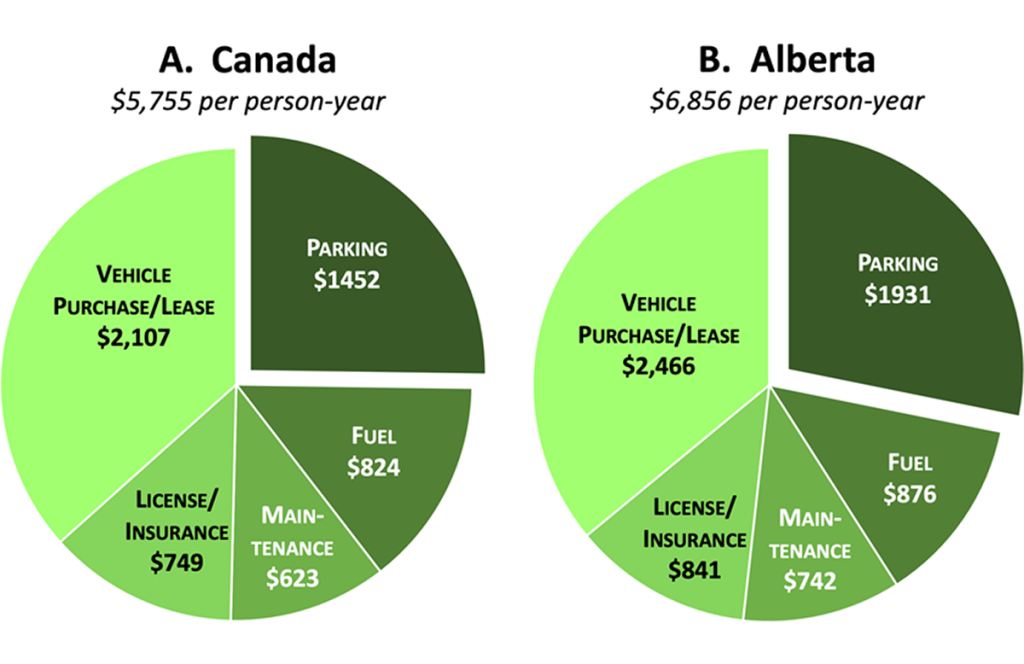
Understanding the full financial impact of owning a vehicle in Canada requires looking beyond the initial purchase price. With vast distances, harsh winters, and varied provincial regulations, Canadian drivers face a unique set of expenses that can significantly strain a household budget.
This article provides a comprehensive breakdown of all major ownership costs, from mandatory insurance and licensing fees to fuel, maintenance, and depreciation. Whether you are considering buying your first car or looking to optimize your current budget, we explore how location, vehicle type, and driving habits influence total expenditure. By dissecting these hidden and obvious expenses, we aim to clarify the true cost of driving in the Great White North.
- Understanding the Full Spectrum of Vehicle Ownership Costs in Canada
- Understanding Vehicle Ownership Costs in Canada
- Financing and Depreciation Costs
- Insurance and Regulatory Fees
- Fuel, Maintenance, and Operational Costs
- Breakdown of Fixed vs. Variable Ownership Costs
- Provincial Variations in Ownership Expenses
- Long-Term Financial Impact of Vehicle Ownership
- Vehicle Depreciation and Resale Value
- Insurance Premiums by Province and Driver Profile
- Maintenance and Repair Costs Over Time
- Frequently Asked Questions
Understanding the Full Spectrum of Vehicle Ownership Costs in Canada
Understanding the full cost of owning a vehicle in Canada involves more than just the monthly loan payment. Canadian drivers must account for depreciation, insurance premiums, fuel, maintenance, and financing fees, which together can add over $10,000 per year to the budget. Provincial variations in sales tax, registration fees, and winter tire requirements also significantly impact the total annual cost.
Depreciation accounts for the single biggest financial loss for car owners in Canada, often representing 20% to 30% of the vehicle's value within the first year alone. On average, a new car can lose between $3,500 and $5,500 annually due to depreciation, depending on the make and model.
Luxury vehicles and some electric models generally depreciate faster, while brands like Toyota and Honda tend to hold their value better. This loss occurs regardless of how much you drive, making it a silent but critical factor in total ownership costs.
Insurance and Registration Fees by Province
Insurance premiums are the second-largest cost for Canadian drivers, with annual rates ranging from roughly $1,200 in rural communities to over $2,800 in cities like Toronto or Vancouver.
Public insurance provinces like British Columbia, Saskatchewan, and Manitoba often have standardized rates, while private insurers in Alberta, Ontario, and the Atlantic provinces allow for more competition but also higher variability. Additionally, annual registration costs vary widely—from around $76 in the Northwest Territories to over $150 in Ontario—plus mandatory safety and emissions tests in some regions.
Fuel, Maintenance, and Winter Preparedness
Fuel costs fluctuate with global oil prices, but the average Canadian driver spends about $1,800 to $2,400 per year on gasoline, while electric vehicle owners pay roughly 40% less on electricity.
Maintenance and repair costs typically increase as the vehicle ages, with an average annual spend of $800 for new cars and over $1,200 for vehicles older than five years. Canadian winters add a unique mandatory cost: winter tires, which can cost between $800 and $1,500 for a set, plus storage and seasonal changeover fees, which are legally required in Québec for winter months.
You might be interested in this content. Top 10 Reliable Car Brands in Canada: The Ultimate Guide for Smart Buyers
| Cost Category | Annual Range (CAD) | Key Variables |
|---|---|---|
| Depreciation | $3,500 - $5,500 | Brand, model, mileage, condition |
| Insurance | $1,200 - $2,800 | Province, driving history, coverage level |
| Fuel | $1,800 - $2,400 | Driving habits, fuel type, fuel prices |
| Maintenance & Repairs | $800 - $1,200 | Vehicle age, service frequency, winter tires |
| Financing & Registration | $500 - $1,500 | Interest rate, loan term, province of registration |
Understanding Vehicle Ownership Costs in Canada
What are the key factors and expenses included in vehicle ownership costs in Canada?
The key factors and expenses included in vehicle ownership costs in Canada are numerous and vary by province, driving habits, and vehicle type. The primary expenses encompass the initial purchase or financing cost, which includes sales taxes that differ by province, such as the Harmonized Sales Tax in Ontario or the Goods and Services Tax in British Columbia.
Ongoing costs include fuel, which is subject to federal carbon taxes and provincial fuel taxes, insurance premiums that factor in location, driving record, and vehicle model, regular maintenance like oil changes and tire rotations, and repairs for unexpected breakdowns. Additionally, depreciation is a significant hidden cost, as vehicles lose value over time.
Other expenses include registration and licensing fees, which are renewed annually, parking fees in urban areas, tolls on highways, and winter tire costs mandatory in some provinces like Quebec. The total annual cost can range from $8,000 to $12,000 for a typical car, but this varies widely based on usage and location.
Financing and Depreciation Costs
Breakdown of financing and depreciation expenses for vehicle ownership.
Financing costs arise from purchasing a vehicle through a loan or lease, with interest rates influenced by credit history and loan terms. Depreciation is the vehicle's value loss over time, often highest in the first few years. In Canada, new cars can depreciate by 20% to 30% in the first year, making it a major expense.
- Loan principal and interest payments, which vary based on loan duration, typically 3 to 7 years, and interest rates from 4% to 10%.
- Lease payments, which cover depreciation during the lease term plus interest, usually lower monthly than loan payments but with mileage limits.
- Depreciation cost, calculated as the difference between purchase price and resale value, often reducing vehicle value by $3,000 to $5,000 annually for a mid-range car.
Insurance and Regulatory Fees
Insurance is mandatory in all Canadian provinces, with costs depending on coverage type, driver profile, and vehicle risk. Minimum liability coverage is required, but many opt for comprehensive plans. Regulatory fees include annual registration, license plate stickers, and emissions testing in some areas. Quebec has a government-run insurance system for bodily injury, while other provinces use private insurers.
- Insurance premiums, ranging from $1,200 to $2,500 per year for a standard car, with higher rates in provinces like Ontario due to fraud and accident rates.
- Annual registration and licensing fees, costing $50 to $200 depending on province, plus additional fees for personalized plates.
- Mandatory inspections in some provinces, such as safety tests for used cars or annual emissions tests, costing $30 to $100 each.
Fuel, Maintenance, and Operational Costs
Detailed explanation of fuel, routine maintenance, and operational expenses.
Fuel costs are influenced by driving distance, fuel efficiency, and regional fuel prices, which include carbon taxes. Maintenance includes routine services like oil changes, tire rotations, and brake replacements, as well as unexpected repairs. Operational costs also cover parking, tolls, and winter tires, which are essential in many regions.
- Fuel expenses, based on average fuel consumption of 8 to 12 liters per 100 km, with annual costs from $1,500 to $3,000 for 15,000 km driven.
- Routine maintenance costs, such as oil changes every 5,000 to 10,000 km at $70 to $100 each, and tire replacements every 4 to 5 years at $800 to $1,200 per set.
- Additional operational costs, including parking fees in cities like Toronto or Vancouver at $200 to $500 monthly, tolls on highways like Ontario's 407 ETR, and winter tire purchase and storage, averaging $1,000 to $1,500 every few years.
What are the average vehicle ownership costs in Canada?
The average vehicle ownership costs in Canada vary significantly depending on the type of vehicle, location, and individual usage patterns, but a general estimate for 2023 suggests it costs between $9,000 and $13,000 CAD per year per vehicle. This includes expenses such as depreciation, fuel, insurance, maintenance, repairs, and financing costs.
For example, owning a new compact car might average around $9,500 annually, while a midsize SUV could exceed $12,500. Depreciation is the largest single cost, typically accounting for 30-40% of total expenses, followed by fuel and insurance. These figures can increase in provinces like British Columbia or Ontario, where insurance and fuel prices are higher, and may be lower in rural areas or for smaller, used vehicles.
Breakdown of Fixed vs. Variable Ownership Costs
Understanding the core categories of expenses
Fixed costs remain constant regardless of how much you drive, while variable costs fluctuate based on usage. Fixed expenses include insurance premiums (averaging $1,200 to $2,000 annually across Canada, but up to $5,000 in high-risk areas), registration and licensing fees ($50 to $200 yearly depending on province), and financing or lease payments (which can range from $3,000 to $8,000 annually for a new vehicle).
You might be interested in this content. Top 10 Reliable SUVs in Canada
Variable costs encompass fuel (averaging $1,500 to $3,000 per year based on driving 15,000 km), routine maintenance (tires, oil changes, brakes: $500 to $1,200), and repairs (averaging $300 to $800 annually for older vehicles).
- Insurance costs are heavily influenced by province, driving history, and vehicle make, with Ontario and British Columbia having the highest average rates.
- Depreciation is technically a fixed cost but is often calculated separately; it reduces the vehicle's value by 15-25% annually in the first few years.
- Parking fees, especially in urban centers like Toronto or Vancouver, can add $1,000 to $3,000 per year to fixed costs.
Provincial Variations in Ownership Expenses
How location affects the total cost
Ownership costs differ substantially across Canadian provinces due to factors like insurance regulations, fuel taxes, and climate. For instance, in Manitoba and Saskatchewan, public insurance systems keep annual premiums lower, averaging $1,000 to $1,500, while in Ontario, private insurers charge $1,800 to $2,500 on average.
Fuel costs are higher in Quebec and British Columbia due to provincial carbon taxes, adding $200 to $500 more per year compared to Alberta. Additionally, winter tire use is mandatory in Quebec, adding $600 to $1,000 in initial costs, and cold climates in the Prairies or Yukon lead to greater maintenance expenses like battery replacements or cold-weather repairs.
- Atlantic provinces like Newfoundland and Labrador generally have lower insurance premiums but higher fuel costs due to transportation logistics.
- Northern territories (Yukon, Northwest Territories, Nunavut) face significantly higher costs for parts and service, often 20-30% above southern Canada.
- Urban versus rural differences within provinces also matter, with city dwellers paying more for parking but less for mileage-related wear and tear.
Long-Term Financial Impact of Vehicle Ownership
Considering resale value and total cost of ownership
Over a typical 5-7 year ownership period, the cumulative cost can reach $50,000 to $90,000 for a new vehicle, with resale value partially offsetting this. For example, a $35,000 CAD compact car might retain 40-50% of its value after 5 years, netting the owner $14,000 to $17,500 upon sale, thus reducing the net cost to about $33,000 to $40,000 after all expenses.
However, larger vehicles like trucks or SUVs in Canada tend to have better resale retention (50-60% after 5 years), though their initial costs and fuel consumption are higher. Used cars, while having lower depreciation, often incur more frequent repair costs, especially after 100,000 km.
- Financing a new vehicle with a 5-year loan at 6% interest adds roughly $2,000 to $5,000 in total interest over the term.
- Extended warranties and rust-proofing services, popular in Canada due to road salt, can add $1,000 to $3,000 but may not always be cost-effective.
- Insurance premiums typically decrease for vehicles over 5 years old, but this is often balanced by increasing maintenance needs.
What factors determine the total cost of vehicle ownership in Canada?
The total cost of vehicle ownership in Canada is determined by several interrelated factors, starting with the vehicle's purchase price, which includes the manufacturer's suggested retail price (MSRP), destination charges, and applicable federal and provincial taxes. Depreciation is a significant ongoing cost, as vehicles lose value over time, with rates influenced by brand reputation, model popularity, and market demand.
Financing costs, such as interest rates on loans or lease agreements, add to the overall expense. Insurance premiums vary based on the driver's profile, location, and vehicle type. Fuel costs depend on driving habits, fuel efficiency, and fluctuating gasoline prices. Maintenance and repair expenses, including routine services like oil changes and unforeseen fixes, accumulate over the vehicle's lifespan. Registration and licensing fees, which differ by province, are recurring annual costs. Additional factors include parking fees, tolls, and potential modifications or accessories.
Vehicle Depreciation and Resale Value
How Depreciation Impacts Long-Term Ownership Costs
Depreciation represents the largest single cost in vehicle ownership, often exceeding fuel or maintenance expenses. In Canada, a new car can lose 20% of its value within the first year and up to 60% after five years, depending on the make and model.
Factors such as high demand for used vehicles, reliability ratings, and brand loyalty significantly influence resale value. For instance, Honda and Toyota models tend to retain value better than some luxury brands due to their reputation for durability. Economic conditions and provincial market variations also play a role, with trucks and SUVs often depreciating slower in regions like Alberta where they are more popular.
You might be interested in this content. Ford Maverick Size Comparison Canada: How Big Is the Maverick Compared to Other Trucks?
- Track average depreciation rates by model using resources like Canadian Black Book or AutoTrader.
- Choose vehicles with high resale value, such as compact cars or hybrids, especially in urban areas.
- Consider leasing instead of buying to limit exposure to depreciation risks for short-term use.
Regional and Personal Factors Affecting Insurance Costs
Insurance costs in Canada vary widely by province due to different regulatory systems. For example, British Columbia and Saskatchewan have government-operated insurance (ICBC, SGI) with standardized rates, while Ontario relies on private insurers with more competitive pricing but higher average premiums.
Driver age, driving history, and credit score heavily influence rates in private systems. The type of vehicle directly affects premiums, with sports cars and luxury models costing more to insure than family sedans. Additionally, location matters: urban areas like Toronto have higher rates due to increased accident frequency and theft risks, while rural areas may see lower costs.
- Compare quotes from multiple insurers annually, as rates can change with market conditions.
- Opt for vehicles with strong safety ratings and anti-theft features to qualify for discounts.
- Consider increasing deductibles to reduce monthly premiums, but ensure savings are feasible for potential claims.
Maintenance and Repair Costs Over Time
Long-Term Wear and Tear Expenses in Canadian Conditions
Maintenance and repair costs accumulate significantly over a vehicle's life, influenced by Canadian climate extremes. Harsh winters with road salt accelerate rust on undercarriages, while summer heat affects battery life and cooling systems. Regular services like oil changes, tire rotations, and brake replacements are predictable but vary by vehicle brand and model.
Luxury or imported vehicles often require pricier parts and specialized labor. Dealership service centers typically charge more than independent garages, but they may offer warranty-covered repairs. Unexpected breakdowns due to rust or mechanical failure can lead to high costs, especially in regions like Quebec or Atlantic Canada where road conditions are rough.
- Invest in routine seasonal inspections to catch early signs of rust or salt damage before they spread.
- Use manufacturer-recommended service schedules and keep detailed records to maximize resale value.
- Set aside a sinking fund for major repairs, such as transmission or engine work, which can cost thousands of dollars.
Frequently Asked Questions
What are the main costs associated with owning a vehicle in Canada?
The primary costs include the purchase price or loan payments, fuel, insurance, and regular maintenance like oil changes and tire rotations. You also must factor in annual registration fees, licensing, and emissions tests where required.
Depreciation is a significant hidden cost, as cars lose value over time. Parking fees, tolls, and unexpected repairs should not be overlooked. Together, these expenses can total thousands of dollars annually, varying by province, vehicle type, and driving habits.
Why is car insurance so expensive in Canada and how is it calculated?
Insurance costs are high due to factors like fraud, high repair costs, and a litigious environment. Premiums are calculated based on your age, driving record, location, vehicle make and model, and coverage limits.
Provinces like Ontario and British Columbia have notably higher rates because of dense populations and accident rates. Insurers also consider credit history and annual mileage. On average, Canadians pay between $1,000 and $2,000 yearly, but young drivers or those with poor records may face much higher premiums.
How do provincial taxes and fees affect the total cost of buying a vehicle?
Provincial sales taxes (PST) or harmonized sales taxes (HST) add 5% to 15% to the purchase price, depending on your province. For example, Alberta has no PST, while Quebec charges nearly 10%.
You might be interested in this content. New Car vs Used Car in Canada
Luxury cars over $100,000 face an additional federal tax of up to 20%. You also pay registration fees, lien searches, and an environmental fee on new tires. These upfront costs can increase the total by thousands, so budgeting for them is essential before signing any deal.
What are the cost differences between owning a gas vs. electric vehicle in Canada?
Electric vehicles (EVs) have higher upfront prices but lower fuel and maintenance costs. Gas cars cost about $1,500 to $2,000 annually in fuel, while EVs average $500 to $800 for electricity.
EVs require no oil changes and have fewer moving parts. However, battery replacement can be expensive after 8-10 years. Rebates from federal and provincial governments can reduce EV purchase costs. Over five years, an EV often saves $5,000-$10,000 total, though this varies by driving distance and local electricity rates.
Leave a Reply