
Best Vehicles for Canadian Roads
Navigating Canadian roads demands a vehicle that balances resilience, practicality, and performance against diverse climates and terrains. From the rugged Rocky Mountains to icy Atlantic highways and bustling urban centers, the ideal ride must handle everything from heavy snowfall to gravel backroads.
Reliability in subzero temperatures, superior all-wheel-drive systems, and corrosion resistance are non-negotiable. This guide explores top contenders—built for efficiency, safety, and durability—across sedans, SUVs, and trucks. Whether you face city commutes or cross-country adventures, discover the models that offer optimal traction, fuel economy, and comfort tailored to Canada’s unique driving conditions.
- Best Vehicles for Canadian Roads
- Top Vehicles for Navigating Canadian Road Conditions: A Comprehensive Guide
- Key Features for Winter Driving in Canada
- Top Vehicle Categories for Canadian Conditions
- Regional Considerations Across Canada
- Essential Features for Sleeping Comfort in a Canadian Road Trip Vehicle
- Space Optimization for Sleeping and Living
- Maneuverability and Parking Flexibility Across Canada
- Key Features of Comfortable Vehicles for Canadian Long-Distance Driving
- Suspension and Ride Quality on Canadian Highways
- Climate Control and All-Weather Capability
- Frequently Asked Questions
Best Vehicles for Canadian Roads
Canadian roads present a unique set of challenges, from harsh winter blizzards and icy highways to rugged rural trails and congested city streets.
The ideal vehicle must offer superior safety, reliability, and all-weather capability, whether you are commuting in Vancouver or traversing the Trans-Canada Highway. Key considerations include strong cold-weather performance, available all-wheel drive (AWD) or four-wheel drive (4WD), and excellent ground clearance.
What Makes a Vehicle Winter-Ready for Canadian Conditions?
A truly winter-ready vehicle for Canada must prioritize cold-weather engineering and driver assistance. This means having a reliable block heater option for extreme temperatures, a robust heating and defrosting system, and a powerful battery.
Beyond that, all-wheel drive (AWD) or four-wheel drive (4WD) is almost non-negotiable for maintaining traction on snow and ice. Advanced safety features like heated mirrors, heated seats, and a heated steering wheel significantly enhance comfort and visibility during long, cold commutes.
You might be interested in this content. Best Cars for Students in Canada
Which Vehicle Segments Perform Best on Canadian Terrain?
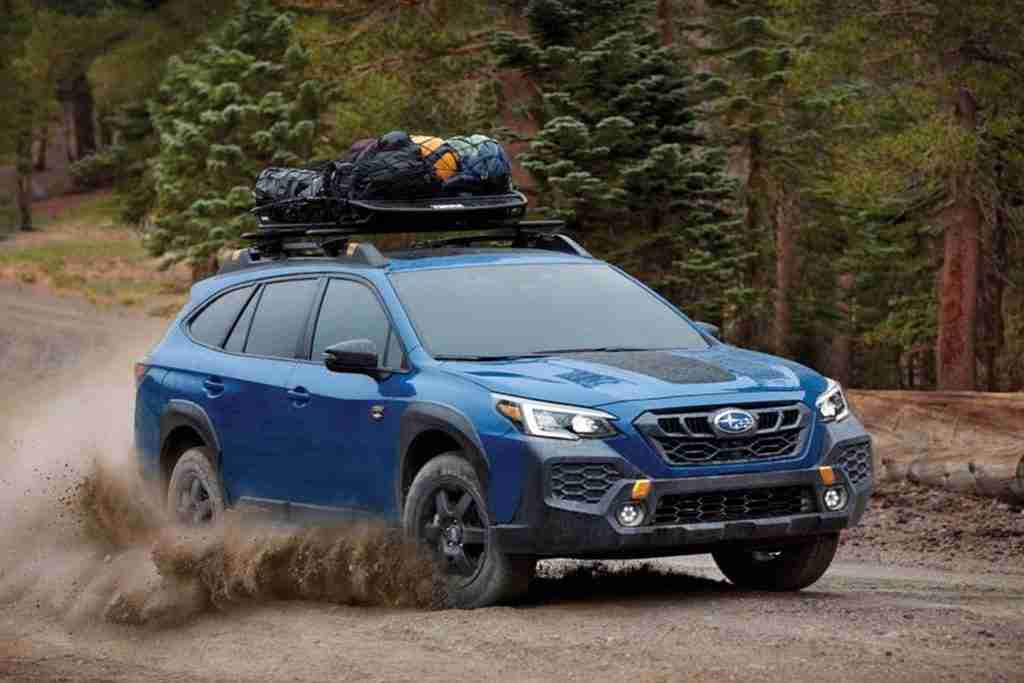
The standout segments for Canadian roads are compact SUVs and pick-up trucks. Compact SUVs, like the Subaru Outback or Toyota RAV4, offer a perfect balance of elevated ground clearance, AWD capability, and fuel efficiency for both city driving and light off-roading.
For more demanding conditions, such as those in remote or mountainous regions, pick-up trucks (e.g., Ford F-150 or Ram 1500) provide superior ground clearance, heavy-duty towing capacity, and robust 4WD systems capable of handling deep snow and rough terrain.
How Important Are Tires and Traction Control in Canada?
Even the best vehicle is only as good as its tires on Canadian roads. Winter tires are not just recommended in most provinces; they are critical for safety, as they provide far superior grip on snow and ice compared to all-season tires.
Advanced traction control and stability control systems are also vital, as they automatically manage wheelspin and prevent skids during sudden maneuvers on slick surfaces. Combining proper winter tires with a vehicle's factory AWD/4WD system creates the safest driving experience.
| Vehicle Model | Drivetrain | Key Canadian Feature | Best For |
|---|---|---|---|
| Subaru Outback | Standard AWD | Highest ground clearance in class | Versatile all-road use |
| Toyota RAV4 | Available AWD | Excellent reliability & heated seats | City & winter commuting |
| Ford F-150 | Standard 4WD | Heavy-duty towing & snow plow options | Rural & mountain driving |
| Honda CR-V | Available AWD | Spacious interior & cold-start reliability | Family & long trips |
What are the most suitable vehicles for Canadian road conditions?
The most suitable vehicles for Canadian road conditions are those that offer all-wheel drive or four-wheel drive, high ground clearance, reliable winter performance, and durability against harsh weather extremes. Given Canada's diverse geography, including snowy winters, icy roads, remote areas, and urban centers, vehicles like SUVs, crossovers, and pickup trucks with features such as heated seats, block heaters, and robust tires are ideal.
Popular models include the Subaru Outback for its standard all-wheel drive and safety ratings, the Toyota RAV4 for reliability and fuel efficiency, and the Ford F-150 for towing capacity and winter handling. Additionally, electric vehicles like the Tesla Model Y are gaining traction due to cold-weather battery management, though gas-powered vehicles remain practical for remote regions with limited charging infrastructure.
You might be interested in this content. Vehicle Ownership Costs in Canada Explained
Key Features for Winter Driving in Canada
Essential Vehicle Attributes for Snow and Ice
For Canadian winters, vehicles must prioritize traction, visibility, and cold-weather reliability. All-wheel drive or four-wheel drive systems distribute power to all wheels to reduce slipping on snow-covered roads. High ground clearance prevents undercarriage damage from deep snow or ice chunks, while heated windshields and side mirrors help maintain clear visibility. Engine block heaters are crucial for starting in temperatures below -20 degrees Celsius, common across provinces like Manitoba and Quebec.
- All-wheel drive or four-wheel drive systems for enhanced grip on icy and snowy surfaces.
- Heated seats, steering wheel, and battery warmers to ensure comfort and functionality in extreme cold.
- Winter tire compatibility and high ground clearance to navigate unplowed roads or rural terrain.
Top Vehicle Categories for Canadian Conditions
SUVs, Pickups, and Crossovers Compared
SUVs and crossovers are versatile for both urban commuting and off-road adventures, with the Honda CR-V offering good fuel economy and the Jeep Wrangler excelling in rugged terrain. Pickup trucks like the Ram 1500 are valued for their towing capacity and durability on icy highways, while compact cars such as the Mazda CX-5 combine maneuverability with snow-ready features. Electric vehicles, including the Hyundai Ioniq 5, are increasingly viable but may require careful planning in remote areas with sparse charging stations.
- SUVs like the Toyota 4Runner provide ruggedness and cargo space for long-distance travel in mountainous regions.
- Pickup trucks like the Chevrolet Silverado offer heavy-duty towing and snow plow capabilities for rural areas.
- Crossovers such as the Nissan Rogue balance affordability and all-wheel drive for city and suburban driving.
Regional Considerations Across Canada
Adapting Vehicle Choice to Local Climate
Vehicle suitability varies by region: British Columbia’s coastal mountains require vehicles with good traction control for rain and snow, while Prairie provinces like Saskatchewan demand block heaters and high ground clearance for extreme cold and flat, icy roads.
In Quebec, winter tire mandates make vehicles with easy tire access a priority, while Newfoundland’s rugged terrain benefits from off-road capable models like the Subaru Forester. Urban centers like Toronto and Vancouver see higher demand for compact, fuel-efficient vehicles with heated features.
- In Atlantic Canada, vehicles like the Ford Escape suit coastal storms and winding roads with all-wheel drive.
- For Northern territories, the Toyota Tacoma is favored for its durability and ability to handle frozen lakes and unmaintained roads.
- In densely populated cities, the Hyundai Tucson offers a compact size with winter packages for easy parking and cold starts.
What is the best vehicle for sleeping in during a Canadian road trip?
The best vehicle for sleeping in during a Canadian road trip is a converted camper van, such as a Mercedes Sprinter or Ford Transit, due to its balance of comfort, fuel efficiency, and maneuverability across diverse Canadian terrains. These vans provide a compact yet functional living space with a bed, storage, and basic kitchen facilities, allowing you to park easily in both urban areas and remote wilderness spots.
Additionally, they handle Canada’s varying weather conditions, from coastal rains to mountain snow, while maintaining decent gas mileage compared to larger RVs. Other options include a class B motorhome for more built-in features, or a minivan with a folded-down seat setup for affordability, but the camper van stands out for its versatility on long, unpredictable trips.
You might be interested in this content. Top 10 Reliable Car Brands in Canada: The Ultimate Guide for Smart Buyers
Essential Features for Sleeping Comfort in a Canadian Road Trip Vehicle
Temperature Control Systems for Extreme Climates
A reliable vehicle for sleeping must manage Canada’s wide temperature range, from freezing winter nights to humid summer days. Adequate insulation and a heating system, such as a propane or diesel heater, are critical to prevent cold exposure. Cooling options like roof fans or portable air conditioners help maintain comfort during warmer months in southern regions.
- Diesel heaters provide efficient, dry heat without draining the vehicle battery, ideal for sub-zero conditions.
- Roof vents with fans expel hot air and reduce condensation, crucial for sleeping in humid coastal areas like British Columbia.
- Reflective window covers retain heat in winter and block sunlight in summer, improving sleep quality.
Space Optimization for Sleeping and Living
Efficient Layout Designs for Extended Stays
The internal layout determines how well you can sleep and store gear during a multi-week trip. A convertible bed system that folds into a seating area during the day maximizes usable space for meals, driving, and relaxation. Overhead cabinets and under-bed storage are essential for keeping camping equipment, food, and clothing organized without cluttering the sleeping area.
- Murphy beds or pull-out sofas free up floor space for cooking or working while parked.
- Sliding doors and swivel seats expand the living area outward, allowing for sheltered cooking or lounging.
- Vertical storage solutions, like wall-mounted racks, keep items accessible without reducing headroom.
Maneuverability and Parking Flexibility Across Canada
A vehicle’s size directly impacts your ability to access dispersed campsites in national parks or park overnight in crowded urban centers. Smaller camper vans can fit into standard parking spots and narrow forest roads, which larger RVs cannot, while still offering a comfortable sleeping area. Four-wheel drive or all-wheel drive is beneficial for gravel routes in the Yukon or winter driving in Ontario.
- Vans under 20 feet in length can access most provincial park campsites without requiring oversized-vehicle permits.
- Stealth camping in cities is easier with a nondescript van, avoiding attention from parking bylaws in places like Vancouver or Toronto.
- High ground clearance and all-terrain tires allow access to unmaintained roads near lakes or mountains for serene overnight spots.
What is the best comfortable vehicle for long-distance driving on Canadian roads?
When selecting a vehicle for long-distance driving on Canadian roads, comfort is paramount due to the country’s vast distances, variable weather conditions, and diverse terrain. The most comfortable vehicle for this purpose is the Lexus LS sedan, as it combines a plush, quiet interior with advanced suspension technology that smooths out rough pavement and highway imperfections.
Its seats are designed for extended use, offering heating, ventilation, and massage functions, while the cabin remains nearly silent even at high speeds. For Canadian winters, the LS provides all-wheel drive and a robust climate control system, making it an ideal choice for cross-country trips.
Key Features of Comfortable Vehicles for Canadian Long-Distance Driving
Seating and Cabin Ergonomics
Seating comfort is a primary factor in evaluating a vehicle for long trips, as extended hours behind the wheel can lead to fatigue. The most comfortable vehicles prioritize seats with multi-adjustability, lumbar support, and premium materials like semi-aniline leather. Additionally, cabin layout should prioritize easy access to controls and ample legroom for all occupants.
You might be interested in this content. Best SUVs for Canadian Families
- Multi-contour seats with adjustable lumbar support reduce pressure points.
- Heated and ventilated functions maintain optimal temperature.
- Quiet cabin design minimizes road and wind noise.
Suspension and Ride Quality on Canadian Highways
Adaptive Suspension Systems
Canadian roads range from smooth highways to rough secondary routes, often affected by frost heaves and potholes. A vehicle with an adaptive air suspension, such as the Lexus LS or Mercedes-Benz S-Class, can continuously adjust damping to absorb bumps while maintaining stability. This ensures a floating sensation that reduces driver strain.
- Air suspension systems automatically adjust to road conditions.
- Speed-sensitive damping maintains control at high speeds.
- Reduced cabin vibration limits passenger fatigue.
Climate Control and All-Weather Capability
Advanced HVAC and Traction Systems
Canada’s climate demands robust heating and cooling, as well as all-wheel drive for snow and ice. The most comfortable vehicles feature tri-zone automatic climate control, heated steering wheels, and available heated rear seats. All-wheel drive ensures traction in winter, while advanced traction control provides confidence on slippery surfaces.
- Automatic climate control with separate zones keeps all passengers comfortable.
- Heated seats and steering wheels are essential for cold climates.
- All-wheel drive with winter tires provides reliable traction.
Frequently Asked Questions
What are the top vehicle types for Canadian winters?
All-wheel drive (AWD) and four-wheel drive (4WD) vehicles like compact SUVs (e.g., Subaru Outback) are optimal due to superior traction on snow and ice. Light trucks or SUVs with high ground clearance also navigate deep snow effectively. Avoid rear-wheel drive sedans unless equipped with winter tires, as they struggle on icy roads.
Should I choose a hybrid or gas vehicle for Canadian roads?
Hybrids offer better fuel efficiency in stop-and-go city driving and lower emissions, ideal for urban areas like Toronto or Vancouver. For remote, long-distance travel in provinces like Yukon, gas vehicles with robust fuel infrastructure and cold-weather reliability (e.g., Toyota Highlander) are more practical. Hybrid batteries may lose efficiency in extreme cold.
What features are essential for Canadian vehicles?
Essential features include heated seats and steering wheel, remote start, block heater for extreme cold starts, winter tires with severe snow rating, and all-weather floor mats. Advanced safety tech like adaptive cruise control (ideal for highway driving) and hill descent control (for steep, icy inclines) are highly recommended.
Are small cars safe on Canadian highways?
Small cars lack weight and ground clearance for deep snow or icy highways, posing safety risks. Models like the Honda Fit struggle in rural areas with unplowed roads. Compact SUVs like the Mazda CX-5 offer better stability and cargo space for winter gear, making them a safer choice for Canadian road conditions.
You might be interested in this content. Best AWD Vehicles for Snow
Leave a Reply