
Vehicle Service Intervals Explained

Understanding your vehicle's service intervals is crucial for maintaining performance, safety, and longevity. These schedules, outlined in your owner’s manual, dictate when essential tasks like oil changes, filter replacements, and brake inspections should occur.
Intervals vary based on manufacturer recommendations, driving conditions, and mileage milestones. Ignoring them can lead to costly repairs or reduced efficiency, while adhering ensures optimal operation.
This guide demystifies common terms like miles or months and explains the difference between minor and major services, helping you stay proactive rather than reactive. By decoding these intervals, you gain control over your car’s health and budget.
- Understanding Vehicle Service Intervals: What Every Driver Needs to Know
- Understanding Vehicle Service Intervals: Manufacturer Recommendations and Maintenance Schedules
- Types of Service Intervals Based on Driving Conditions
- Key Components Covered in Routine Service Intervals
- Consequences of Ignoring Manufacturer Service Intervals
- Frequently Asked Questions
Understanding Vehicle Service Intervals: What Every Driver Needs to Know
Vehicle service intervals are predetermined schedules set by manufacturers to ensure your car operates efficiently, safely, and reliably. These intervals specify when routine maintenance tasks—such as oil changes, fluid checks, and filter replacements—should be performed based on mileage or time.
You might be interested in this content. How Much Do Common Car Repairs Cost?
Adhering to these schedules prevents premature wear, reduces the risk of breakdowns, and helps maintain warranty coverage. Most modern vehicles use two types: fixed intervals (based strictly on mileage) and flexible intervals (adjusted by onboard computer systems monitoring driving conditions). Ignoring service intervals can lead to costly repairs and decreased fuel efficiency, making it essential for every driver to understand the basics.
What Are the Most Common Service Intervals for Cars?
The most common service intervals typically fall into three categories: minor service (every 5,000 to 7,500 miles or six months), major service (every 15,000 to 30,000 miles), and inspection-based checks (annually or at specific milestones). Minor service usually includes an oil and filter change, tire rotation, and a visual inspection of belts and hoses. Major service adds tasks like replacing spark plugs, transmission fluid, and coolant.
Many manufacturers now recommend flexible intervals that use sensors to alert drivers when specific components need attention, but always consult your owner’s manual for exact figures since driving habits and climate conditions can alter recommendations.
How Do Driving Habits Affect Service Intervals?
Driving habits significantly influence how often your vehicle needs servicing. Severe driving conditions such as frequent short trips, stop-and-go traffic, towing heavy loads, or extreme weather cause faster wear on engine oil, brakes, and transmission. Under these conditions, intervals may need to be shortened by up to 50% compared to normal driving.
You might be interested in this content.
Conversely, long highway trips at steady speeds put less strain on components, potentially extending intervals. Modern vehicles with intelligent maintenance systems can adjust service reminders based on real-time data, but drivers should still monitor warning lights and listen for unusual noises to avoid damage.
What Happens If You Skip Scheduled Maintenance?
Skipping scheduled maintenance can have serious consequences for both your vehicle and your wallet. Without regular oil changes, sludge buildup can clog engine passages, leading to overheating or complete engine failure. Neglected brake fluid can corrode brake lines, reducing stopping power and increasing accident risk.
Tire rotations prevent uneven wear, but ignoring them shortens tire life and compromises handling. Warranty claims may also be denied if you cannot prove maintenance was completed on time. In the worst cases, catastrophic engine damage from skipped timing belt replacements can cost thousands of dollars, far outweighing the cost of routine service.
| Service Type | Typical Interval (Miles or Time) | Key Tasks | Consequences of Skipping |
|---|---|---|---|
| Oil & Filter Change | 5,000–7,500 miles / 6 months | Replace engine oil and filter | Engine sludge, overheating, failure |
| Tire Rotation | 5,000–7,500 miles | Rotate tires for even wear | Uneven tread, reduced handling |
| Brake Fluid Flush | Every 2 years / 30,000 miles | Replace brake fluid | Corrosion, reduced braking power |
| Transmission Service | 30,000–60,000 miles | Change fluid and filter | Slipping gears, transmission failure |
| Timing Belt Replacement | 60,000–100,000 miles | Replace belt, tensioner, water pump | Catastrophic engine damage |
Understanding Vehicle Service Intervals: Manufacturer Recommendations and Maintenance Schedules
What is the recommended service interval for a car based on manufacturer guidelines?
The recommended service interval for a car based on manufacturer guidelines varies by brand, model, and engine type, but it typically falls between every 5,000 to 10,000 miles (or 6 to 12 months), whichever comes first. For example, many modern vehicles with synthetic oil, such as those from Toyota or Honda, specify intervals of 7,500 to 10,000 miles.
You might be interested in this content.
However, luxury brands like BMW or Mercedes-Benz may extend intervals up to 15,000 miles or one year. It is crucial to consult your owner's manual for the exact schedule, as severe driving conditions—such as frequent short trips, extreme temperatures, or dusty environments—may necessitate shorter intervals.
Types of Service Intervals Based on Driving Conditions
Standard vs. Severe Service Maintenance Schedules
Manufacturers often provide two distinct schedules: one for standard driving conditions and another for severe service conditions. Standard conditions assume highway driving with moderate temperatures and minimal stop-and-go traffic, leading to longer intervals.
Severe conditions, on the other hand, include frequent idling, towing, off-road use, or driving in extreme heat or cold, which require more frequent maintenance. For instance, a 2023 Honda Accord may recommend oil changes every 7,500 miles under standard use, but every 3,750 miles under severe conditions.
- Standard service intervals typically apply to vehicles driven mainly on highways under moderate climates and with consistent speeds.
- Severe service intervals are often accompanied by warnings in the manual to reduce mileage or time between services by half.
- Examples of severe driving include police patrol, taxi use, or delivery services that involve frequent stopping and starting.
Key Components Covered in Routine Service Intervals
Oil Changes, Fluid Checks, and Filter Replacements
Routine maintenance at recommended intervals goes beyond just engine oil changes. Most guidelines prescribe a multi-point inspection that includes checking coolant, brake fluid, transmission fluid, and windshield washer fluid levels. Additionally, air filters for the engine and cabin, as well as oil filters, are typically replaced every second or third service.
You might be interested in this content. How Often Should You Change Your Oil?
For example, a typical 10,000-mile service might involve an oil and filter change, tire rotation, and a visual check of belts and hoses. Missing these steps can lead to reduced fuel efficiency, poor air quality, or component failure.
- Engine oil and oil filter changes are the most common service task, often done at each interval.
- Air filters (engine and cabin) are usually inspected and replaced every 15,000 to 30,000 miles depending on environment.
- Fluid top-ups or flushes, such as for coolant and brake fluid, are recommended at specific mileage points in the manual.
Consequences of Ignoring Manufacturer Service Intervals
Warranty Void, Reduced Performance, and Safety Risks
Failing to adhere to the manufacturer's recommended service schedule can void the vehicle's warranty, especially if a component failure is linked to missed maintenance. For example, if an engine fails due to sludge buildup from infrequent oil changes, the warranty claim may be denied.
Additionally, neglected intervals lead to decreased engine performance, lower fuel economy, and higher emissions. Safety systems such as brakes or steering can degrade without regular inspections, increasing accident risk. A 2022 study found that vehicles with consistent maintenance had 30% fewer breakdowns over five years compared to those without.
- Warranty claims are often rejected if there is proof of skipped oil changes or ignored recommended services.
- Engine wear accelerates due to contaminated oil, leading to costly repairs like timing chain or bearing failure.
- Safety components like brake pads and tires wear unevenly if not rotated or checked at the prescribed intervals.
Frequently Asked Questions
What are vehicle service intervals and why do they matter?
Vehicle service intervals are predetermined schedules, set by the manufacturer, specifying when routine maintenance like oil changes, filter replacements, and inspections should occur. These intervals ensure your car operates efficiently, maintains safety standards, and prevents major breakdowns.
You might be interested in this content. How to Maintain Your Vehicle Year-Round
Skipping them can lead to reduced performance, higher fuel consumption, or expensive repairs. Following the guide in your owner's manual is the best way to protect your vehicle's longevity. Every car has unique needs based on model, driving conditions, and oil type.
How do I know which service interval my car needs?
Your vehicle's manufacturer defines two main schedules: a standard interval for normal driving and a severe schedule for extreme conditions. Check your owner's manual for specifics; many modern cars also have a dashboard warning light or maintenance reminder system.
If you frequently drive in stop-and-go traffic, extreme weather, dusty areas, or tow heavy loads, your car likely needs more frequent servicing. When in doubt, consult a trusted mechanic who can interpret your odometer reading and driving environment to recommend the right plan.
What happens during a typical interval service?
A standard interval service includes an oil and filter change, fluid top-offs (coolant, brake fluid, windshield washer), tire rotation and pressure check, brake inspection, and air filter replacement.
You might be interested in this content.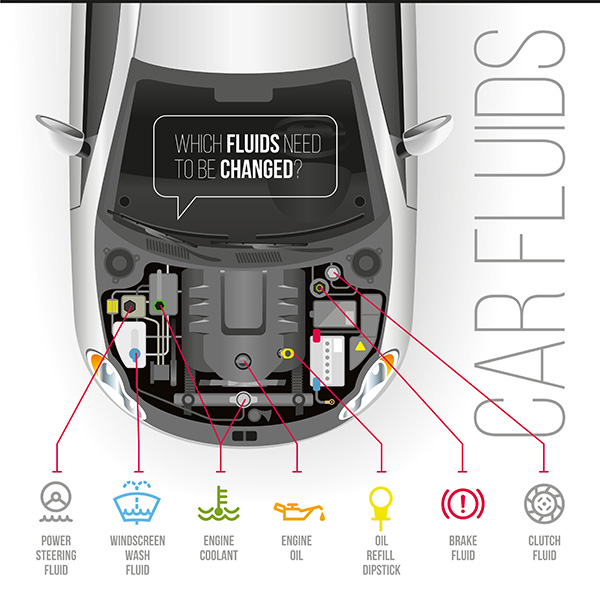 Vehicle Fluids You Should Check Regularly
The technician also examines belts, hoses, battery, lights, and wipers. For major intervals, tasks like spark plug replacement, timing belt change, or transmission fluid flush are added. The goal is to address wear before failure, keeping your vehicle reliable. Services are customized per the mileage or time milestone, as outlined in your vehicle's maintenance schedule.
Can I extend my service intervals if I use synthetic oil?
Synthetic oil typically lasts longer than conventional oil, but extending service intervals is not a simple yes or no. While synthetic can allow for longer oil changes—often 7,500 to 15,000 miles—your car's other components (like filters, belts, and fluids) still need attention based on the manufacturer's complete schedule.
Following only oil intervals might neglect other critical checks. Always adhere to the comprehensive maintenance guide in your manual, adjusting only if your dealer or mechanic explicitly recommends a longer interval for your specific driving conditions.
Leave a Reply