
Signs You Need New Brake Components

Your vehicle’s braking system is its most critical safety feature, silently working to bring you to a halt every time you press the pedal. However, like all mechanical parts, brake components wear down over time and eventually need replacement.
Ignoring the warning signs can lead to reduced stopping power, dangerous driving conditions, and costly repairs. From unusual noises like squealing or grinding to a spongy brake pedal, vibrations, or longer stopping distances, your car communicates its needs clearly.
This article explores the key indicators that your brake pads, rotors, or other elements require immediate attention, ensuring you stay safe on the road.
You might be interested in this content. Best Parts for Winter Driving Conditions
5 Common Signs You Need New Brake Components
Your vehicle's braking system is critical for safety, and certain warning signs indicate it's time to replace components like brake pads, rotors, or calipers. Ignoring these symptoms can lead to reduced stopping power, costly damage, and dangerous driving conditions.
Pay attention to unusual sounds, vibrations, or changes in pedal feel, as these often signal worn or failing parts. Early detection of these issues can save you from emergency repairs and ensure your car remains safe on the road.
1. Squealing or Grinding Noises When Braking
If you hear a high-pitched squeal or a deep grinding sound every time you press the brake pedal, it's a clear indicator that your brake pads are worn down. Many pads are equipped with a wear indicator that produces a squealing noise when the friction material is too thin.
You might be interested in this content.
If the sound turns into grinding, the metal backing plate is likely scraping against the rotor, causing irreversible damage. This means you need new pads immediately, and potentially new rotors as well.
2. Vibrations or Pulsations in the Brake Pedal
When you feel a shaking or pulsing sensation through the brake pedal or steering wheel while braking, it often points to warped brake rotors.
Heat and friction can cause the rotors to become uneven, leading to a loss of smooth contact with the pads. This condition reduces your car's ability to stop efficiently and can cause uneven wear on new pads. Replacing or resurfacing the rotors is essential to restore safe, vibration-free braking performance.
You might be interested in this content.
3. Longer Stopping Distances or a Soft Pedal
If your car takes more distance to stop than usual, or if the brake pedal feels spongy and sinks to the floor, you likely have a problem with brake fluid or hydraulic components. Low fluid levels, air in the lines, or a failing master cylinder can all cause this symptom.
This indicates that brake calipers, lines, or the master cylinder may need immediate attention, as compromised hydraulics drastically reduce braking power and pose a serious safety risk.
| Symptom | Likely Component Affected | Urgency Level |
|---|---|---|
| Squealing or grinding noises | Brake pads and rotors | High – immediate replacement recommended |
| Vibrations or pulsations | Brake rotors | Moderate – inspect and replace soon |
| Soft pedal or longer stopping distance | Brake fluid, calipers, or master cylinder | Critical – needs professional diagnosis |
Key Indicators That Your Brake Components Require Replacement
What are the early warning signs of worn-out brake components?
Early warning signs of worn-out brake components include a high-pitched squealing or grinding noise when applying the brakes, a soft or spongy feeling when pressing the brake pedal, increased stopping distance, vibration or pulsation in the pedal or steering wheel, and a visible reduction in brake fluid level without leakage.
You might be interested in this content. Common Brake Problems Explained
Squealing often comes from a built-in wear indicator on brake pads, while grinding indicates metal-on-metal contact. A soft pedal may suggest air in the brake lines or worn master cylinder, and vibrations can point to warped rotors. Pulling to one side during braking may indicate uneven pad wear or caliper issues. These signs should prompt immediate inspection to prevent safety risks.
Auditory Warnings from Brake Systems
Interpreting Sounds as Indicators of Brake Wear
Brake systems emit specific sounds as components wear down, alerting drivers to potential failures. Squealing is typically caused by a small metal tab on brake pads designed to scrape against the rotor when pad material is low, signaling the need for replacement. Grinding noises, which are deeper and more ominous, occur when pads are completely worn, allowing the metal backing plate to contact the rotor directly, damaging the rotor and reducing braking efficiency.
Clicking or thumping sounds may indicate loose calipers or debris caught in the brakes. It is crucial to address these auditory warnings promptly.
You might be interested in this content.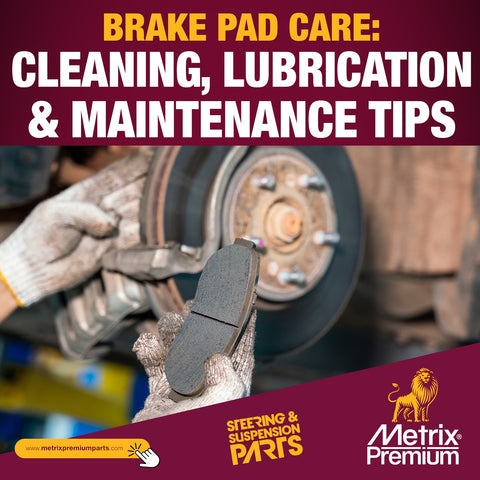 Brake Maintenance Tips
- Squealing indicates the wear indicator tab is contacting the rotor, meaning pad replacement is overdue.
- Grinding signals metal-on-metal contact, which can ruin rotors and require costly resurfacing or replacement.
- Clicking may point to loose brake hardware or damaged calipers, requiring immediate mechanical inspection.
Physical Feedback Through Brake Pedal and Steering
Changes in Pedal Feel and Steering Behavior as Brake Components Deteriorate
Worn brake components often manifest as altered physical sensations while driving. A soft or spongy brake pedal suggests air in the hydraulic system, possibly from a leak in a caliper or brake line, or a failing master cylinder, reducing braking force. A hard pedal that requires extra effort may indicate vacuum booster issues.
Vibrations or pulsations in the pedal, felt especially during hard braking, typically come from warped rotors due to overheating or uneven wear. Similarly, steering wheel wobble during braking points to front rotor warping. Pulling to one side when braking indicates uneven pad or rotor wear, or a stuck caliper.
- Spongy pedal often requires bleeding the brake system to remove air or replacing worn master cylinder components.
- Vibrating pedal or steering wheel suggests rotors need resurfacing or replacement to restore smooth braking.
- Pulling to one side demands checking for uneven pad wear, seized caliper pistons, or contaminated brake fluid.
Visual and Performance Indicators of Brake Wear
Observable External Signs and Changes in Braking Performance
Drivers can spot brake wear through visible cues and degraded performance. A low brake fluid level, when no external leaks are present, often indicates pad wear because fluid moves to compensate for thinner pads; filling it may temporarily mask the issue. Rotors with a blue discoloration or deep scoring suggest overheating or excessive wear.
You might be interested in this content. Why Does My Car Leak Fluids?
Reduced braking efficiency, such as longer stopping distances or a need to press the pedal harder, is a primary performance indicator. Additionally, a dashboard brake warning light may illuminate for low fluid, pad wear, or system faults. Regular visual inspections of pad thickness and rotor condition are advisable.
- Low brake fluid without leaks likely means pads are worn and require replacement to restore proper fluid level.
- Discolored or grooved rotors indicate overheating or damage, reducing friction and braking effectiveness.
- Increased stopping distance or pedal travel suggests overall brake system deterioration, warranting immediate professional diagnosis.
Frequently Asked Questions
How can strange noises indicate worn brake components?
Squealing, grinding, or clicking sounds are clear indicators of worn brake components. High-pitched squeaking often signals that your brake pads have reached their end-of-life indicator. If you hear a grinding metal-on-metal sound, the pads are completely worn, likely damaging the rotors. Clicking noises may suggest loose hardware. Ignoring these signs can compromise braking performance, so have them inspected promptly.
What does a pulsating brake pedal mean for your brake system?
A pulsating or vibrating brake pedal when applying the brakes typically indicates warped rotors. This occurs due to excessive heat buildup and uneven wear on the rotor surface. Warped rotors cause the brake pads to grip unevenly, leading to a pulsing sensation through the pedal. This not only affects comfort but also reduces braking efficiency, requiring rotor resurfacing or replacement for safe operation.
Why is a longer stopping distance a sign to inspect brakes?
If your vehicle takes significantly more distance to stop than usual, it’s a critical warning of worn brake components. This can result from thinning brake pads that have lost friction material, or from brake fluid leaks that reduce pressure. Brake fade from overheating may also be a factor. Immediate inspection is necessary as diminished stopping power poses a serious safety risk, especially in emergency situations.
How do dashboard warning lights relate to brake component wear?
Dashboard warning lights, such as the brake system or anti-lock braking system (ABS) light, often indicate underlying issues with brake components. The ABS light may signal worn sensor rings or low brake fluid, which can be linked to pad or rotor wear. The brake warning light can point to low fluid levels from leaking cylinders or worn pads. Don't ignore these alerts—they’re designed to prompt early intervention before complete system failure.
Leave a Reply