
Vehicle Maintenance Costs in Canada
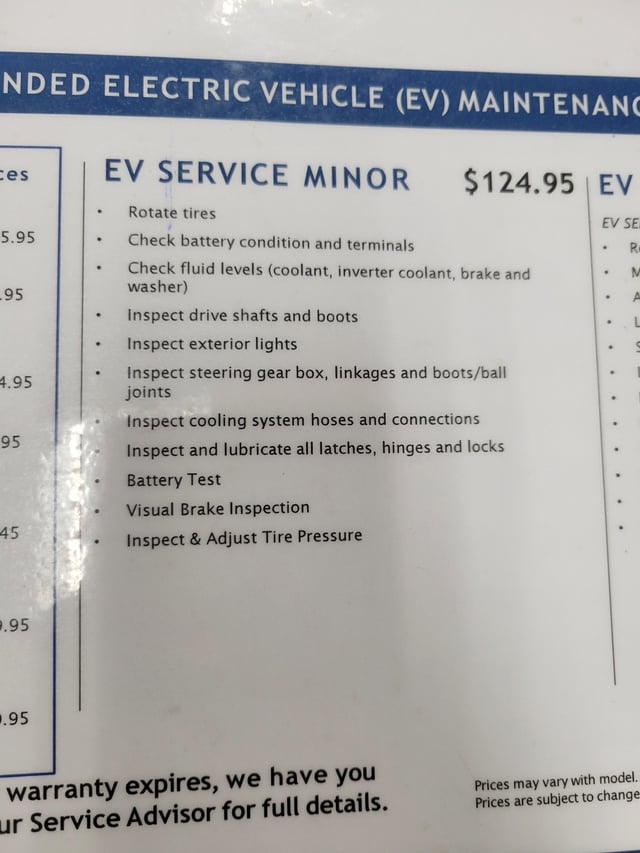
Vehicle maintenance costs in Canada present a significant financial consideration for car owners, shaped by factors such as harsh winter conditions, geographic size, and regional service price variations.
From routine oil changes and tire swaps to unexpected repairs on aging vehicles, expenses can differ widely between provinces like Ontario and British Columbia. Understanding these costs is essential for budgeting effectively and prolonging vehicle lifespan in a country where reliable transportation is often a necessity rather than a luxury.
- Key Factors Influencing Vehicle Maintenance Costs in Canada
- Understanding Vehicle Maintenance Costs in Canada
- Mandatory Inspections and Their Impact on Costs
- Seasonal Maintenance Requirements in Canada
- Geographic Variations in Labor and Parts Costs
- Key Factors Influencing Low Maintenance Costs in Canada
- Comparison of Compact Cars and Hybrids
- Regional Impacts on Maintenance in Canada
- Frequently Asked Questions
Key Factors Influencing Vehicle Maintenance Costs in Canada
Vehicle maintenance costs in Canada can vary significantly based on several factors, including the type of vehicle, its age, driving conditions, and geographic location. Due to Canada’s harsh winters, vehicles often require more frequent maintenance such as rustproofing, winter tire changes, and battery checks.
Additionally, parts and labor costs differ between provinces, with urban centers like Toronto and Vancouver typically having higher hourly rates. Understanding these variables is essential for budgeting accurately and avoiding unexpected expenses over the lifespan of your car.
Average Annual Maintenance Expenses by Vehicle Type
The average annual maintenance cost for a passenger car in Canada ranges from $800 to $1,500, while SUVs and trucks can cost between $1,000 and $2,000 per year due to their larger parts and specialized labor.
You might be interested in this content. How to Prepare Your Car for Winter
Luxury vehicles, such as BMW or Mercedes-Benz, often see costs exceeding $2,500 annually because of higher-priced components and dealer-only service requirements. Electric vehicles (EVs) generally have lower maintenance costs, averaging $600 to $1,200 per year, as they have fewer moving parts and no oil changes, though battery health remains a factor.
Regional Variations in Labor and Parts Costs
Labor rates for mechanics in Canada vary widely by province, with Ontario and British Columbia charging between $120 and $160 per hour, while provinces like Manitoba or Nova Scotia may range from $80 to $110 per hour.
Parts costs also fluctuate due to shipping distances and the availability of local suppliers; for instance, remote areas in the Yukon or Northwest Territories often face higher prices for replacement components. Furthermore, vehicles in salt-belt regions (Ontario, Quebec, Atlantic Canada) incur extra rust-related repairs, adding up to $200–$500 annually for undercoating and exhaust system work.
Impact of Seasonal Maintenance and Climate Conditions
Canada’s climate necessitates specific seasonal maintenance that can increase annual costs by 10% to 20%. Winter preparations, including installing winter tires (costing $600–$1,200 for a set) and switching to winter-grade fluids, are common expenses. Summer often requires air conditioning servicing and cooling system checks, which can add $100–$300 per session. Prolonged exposure to cold also accelerates wear on batteries and suspensions, with battery replacements averaging $150–$300 every three to four years in northern regions.
| Vehicle Category | Low Estimate (CAD/year) | High Estimate (CAD/year) |
|---|---|---|
| Compact Car | $800 | $1,200 |
| SUV/Truck | $1,000 | $2,000 |
| Luxury Vehicle | $1,800 | $2,800 |
| Electric Vehicle (EV) | $600 | $1,200 |
Understanding Vehicle Maintenance Costs in Canada
What are the typical vehicle maintenance costs for car owners in Canada?
Typical vehicle maintenance costs for car owners in Canada vary widely depending on the make, model, age of the vehicle, and driving habits, but generally average between $800 and $1,500 per year. This estimate includes routine services such as oil changes, tire rotations, and brake inspections, as well as unexpected repairs like battery replacements or belt adjustments.
You might be interested in this content. Long-Term Vehicle Maintenance Strategies
For a standard gasoline-powered sedan, annual expenses might break down to approximately $100 to $150 for oil changes, $200 to $400 for tire maintenance and replacements, $300 to $600 for brake services, and $200 to $400 for fluid checks and filter changes. Luxury vehicles or trucks often cost more, with parts and labor rates higher in provinces like Ontario and British Columbia.
Seasonal factors, such as winter tire changes and rustproofing, add an extra $100 to $300 per year. Owners should also budget for emission tests and air conditioning servicing, which can total $50 to $150 annually. Overall, costs can escalate with vehicle age, as older cars require more frequent repairs on components like suspension and exhaust systems.
Mandatory Inspections and Their Impact on Costs
How Safety and Emissions Tests Influence Annual Expenses
In Canada, most provinces require periodic safety inspections, emissions tests, or drive clean programs for vehicle registration renewal, which contribute fixed but non-negotiable costs.
These inspections often reveal hidden issues that lead to additional repairs, increasing overall maintenance spending. For example, a failed emissions test might require oxygen sensor replacements or catalytic converter repairs, which can cost $200 to $800.
Safety inspections typically cost $30 to $100, but if components like headlights, wipers, or brakes are deemed unsafe, owners must pay for corrections before passing. This process can add $100 to $500 to maintenance budgets in a given year. The frequency of these inspections varies, with some regions requiring annual checks and others every two years, affecting long-term cost averages.
You might be interested in this content. Kia Rio Maintenance Schedule: The Easy Guide to Keeping Your Rio Running Smoothly
- In British Columbia, the AirCare program requires emissions testing every two years for certain vehicles, costing around $23 to $45 per test, but repairs to pass can raise expenses by $300 to $600.
- Ontarios Drive Clean program mandates emissions tests for gasoline vehicles older than seven years, with a $30 fee, and common fixes like fuel system cleaning add $100 to $200.
- In Quebec, safety inspections are required every year for vehicles over five years old, costing $30 to $60, with potential repairs for suspension or steering issues totaling $200 to $400.
Seasonal Maintenance Requirements in Canada
Winterization and Summer Preparation Costs
Canadas harsh winters and hot summers necessitate specific maintenance tasks that directly impact annual expenditures. Winterization typically includes installing winter tires, which cost $200 to $800 per set, plus a storage and change fee of $50 to $80 per season.
Rustproofing treatment, applying protective coatings to undercarriages, adds $100 to $250 annually to prevent salt corrosion. Summer preparation, such as checking air conditioning systems, can cost $100 to $300 for refrigerant refills or compressor repairs, especially in regions like Alberta with extreme heat. Battery health is also critical, as cold weather reduces performance, and replacements run $100 to $200. These seasonal steps ensure vehicle reliability but significantly raise maintenance budgets.
- Winter tire changeovers, including balancing and mounting, cost $50 to $80 annually, with quality winter tires lasting 3 to 4 seasons before needing replacement.
- Coolant fluid exchanges are recommended every two years to prevent freezing in minus 30 degrees Celsius temperatures, costing $80 to $150 for service.
- Summer tire inspections for wear and alignment, plus potential replacements for damaged sidewalls, add $100 to $200 to costs in the spring.
Geographic Variations in Labor and Parts Costs
Provincial Differences in Service Pricing
Maintenance costs for Canadian car owners differ substantially by province due to variations in labor rates, parts availability, and taxes. In Ontario, average labor rates at dealerships range from $120 to $180 per hour, while independent shops charge $80 to $120. In cheaper provinces like Manitoba or New Brunswick, labor rates can be 20 to 30 percent lower, reducing total costs for services like brake pad replacements, which cost $200 to $400 in Ontario but $150 to $300 in Manitoba.
Parts costs also vary, with remote areas in the Yukon or Northwest Territories facing higher shipping fees, increasing standard charges by 10 to 15 percent. Additionally, sales taxes, such as the Harmonized Sales Tax in Nova Scotia at 15 percent, raise final bills compared to provinces with only the Goods and Services Tax of 5 percent.
- In Alberta, a routine oil change costs $60 to $100 due to lower labor rates, whereas in British Columbia it ranges from $75 to $120 because of higher overhead costs.
- Tire maintenance in rural Saskatchewan costs less for installation, around $20 per tire, versus $40 per tire in Toronto, Ontario, reflecting urban price premiums.
- Transmission fluid changes, a mid-cost service, average $150 to $250 in Quebec but $200 to $300 in Ontario, influenced by supply chain logistics and labor market differences.
Which vehicles have the lowest maintenance costs in Canada?
When evaluating vehicles with the lowest maintenance costs in Canada, several models consistently rank high due to their reliability, affordable parts, and efficient engineering. The Toyota Corolla, Honda Civic, and Mazda3 are top contenders, with annual maintenance costs averaging between $300 and $500 CAD.
You might be interested in this content. Vehicle Ownership Costs in Canada Explained
These vehicles benefit from widespread availability of parts, straightforward repair procedures, and robust build quality suited to Canadian road conditions. Additionally, hybrids like the Toyota Prius offer low maintenance due to regenerative braking reducing wear, while electric vehicles such as the Nissan Leaf have fewer moving parts, lowering long-term expenses. Factors like winter tire usage and regular oil changes remain key, but overall, these models minimize unexpected repairs.
Key Factors Influencing Low Maintenance Costs in Canada
Reliability and Parts Availability
Reliability is the primary driver of low maintenance costs, as vehicles with fewer breakdowns reduce repair frequency. In Canada, extreme weather conditions, including harsh winters and variable road surfaces, test vehicle durability. Models like the Toyota Corolla and Honda Civic are engineered with robust engines and transmissions that withstand cold starts and salted roads.
Parts availability is critical; these Japanese brands have extensive dealer and aftermarket networks across Canada, from urban centers to remote areas, ensuring competitive pricing and quick service. Common components like brakes, filters, and suspension parts are inexpensive and widely stocked, reducing labor and shipping costs. For example, a Corolla's brake pad replacement averages $150 CAD, compared to $300 for luxury models. This accessibility, combined with high reliability ratings from organizations like the Canadian Automobile Association (CAA), makes these vehicles cost-effective over a 10-year ownership period.
- High reliability scores from CAA and Consumer Reports minimize unexpected breakdowns.
- Wide parts availability through local dealerships, Canadian Tire, and online retailers like RockAuto reduces prices by up to 20%.
- Straightforward designs, such as the Civic's timing chain instead of a belt, eliminate costly replacement intervals around 100,000 km.
Comparison of Compact Cars and Hybrids
Fuel Economy and Regenerative Braking
Compact cars like the Toyota Corolla and hybrid models such as the Toyota Prius offer distinct advantages in maintenance costs due to their fuel-efficient and regenerative systems. While Corollas have simple, robust engines requiring standard oil changes every 8,000 km, Prius hybrids reduce wear on brake pads by up to 50% through regenerative braking, extending component life to over 100,000 km. Hybrids also feature less strain on the starter and alternator, as these parts are often integrated or less used.
However, hybrids may require occasional battery replacement, typically after 8-10 years, costing around $2,000-3,000 CAD for a refurbished unit. For Canadian drivers in urban areas like Toronto or Vancouver, this trade-off is favorable due to lower fuel costs and fewer brake jobs. Compact cars, conversely, have simpler electrical systems, making repairs easier for independent mechanics, and their tires wear evenly due to lighter weight, averaging 60,000 km lifespan.
You might be interested in this content. Mazda CX-5 Insurance Cost Ontario: Complete Price Guide
- Prius regenerative braking reduces brake pad replacements by 50%, saving $200-400 over 5 years.
- Corolla's non-hybrid engine avoids high-voltage battery maintenance, with annual cost of $350 vs. Prius's $400 when factoring battery amortization.
- Compact cars' lighter tires cost $600 per set versus $800 for SUVs, with lower replacement frequency.
Regional Impacts on Maintenance in Canada
Winter Preparedness and Road Conditions
Canadian winters significantly affect vehicle maintenance, with salt corrosion and cold starts as primary concerns. Vehicles with lower maintenance costs, such as the Mazda3 and Subaru Impreza, feature protective coatings and robust HVAC systems to minimize rust and electrical issues. The Mazda3's steel body is galvanized, reducing rust in heavy-salt regions like Quebec and Ontario, while the Subaru's all-wheel drive (AWD) system is designed for snow, reducing stress on driveline components.
Regular maintenance like undercoating ($150 annually) and winter tire installation ($800 for a set) adds to costs, but these models' inherent durability offsets them. For instance, the Impreza's boxer engine has a low center of gravity, reducing wear on suspension during rough winter roads. In contrast, older, less protected models may require frequent wheel alignment and battery replacements ($150 each). Regional data from Quebec shows that Subarus need 10% fewer repairs than average due to their rugged design.
- Mazda3's galvanized panels reduce rust repair costs by 30% compared to non-treated vehicles in salt-heavy areas.
- Subaru Impreza's AWD system spreads power evenly, lowering differential and drive shaft repairs by 15% over 10 years.
- Winter tire usage on these models reduces tire wear by 20%, with sets lasting 50,000 km versus 40,000 on summer-only tires.
Frequently Asked Questions
What is the average annual cost of vehicle maintenance in Canada?
Canadian drivers spend between $800 and $1,200 per year on routine maintenance for a standard vehicle. This covers essential services like oil changes, tire rotations, brake inspections, and fluid checks. Costs vary by province due to labor rates, vehicle type, and driving conditions. Luxury or older vehicles often incur higher expenses. Budgeting around $100 monthly helps manage unexpected repairs and keep your car reliable.
How do Canadian winters affect vehicle maintenance costs?
Harsh Canadian winters increase maintenance costs due to added stress on batteries, tires, and brakes. Cold temperatures reduce battery life, requiring replacements every 3-5 years. Winter tires, essential in many provinces, cost $600-$1,200 per set. Salt and sand accelerate rust, meaning frequent undercarriage washes and potential exhaust repairs. Regular inspections during winter months prevent costly breakdowns.
Are maintenance costs higher for electric vehicles in Canada?
Electric vehicles (EVs) generally have lower annual maintenance costs than gas cars, averaging $500-$700 yearly. They require no oil changes, transmission fluid, or exhaust repairs. However, battery health checks and coolant replacements are needed.
You might be interested in this content. Volkswagen Tiguan Insurance Cost Canada: Complete 2026 Guide
Canadian cold reduces EV range, but battery warranties typically cover 8 years/160,000 km. Tire wear may be higher due to instant torque, balancing overall savings.
What optional maintenance services should Canadians consider?
Canadians should prioritize rust-proofing treatments, costing $100-$200 annually, to protect against road salt corrosion. Seasonal tire changes and storage services add $100-$300 per swap. Radiator flushes and coolant replacements are crucial for extreme temperatures. Dealership-recommended services like fuel system cleaning may be optional but can improve efficiency. Always verify necessity in your owner’s manual to avoid unnecessary costs.
Leave a Reply