
Engine Maintenance Tips for Beginners
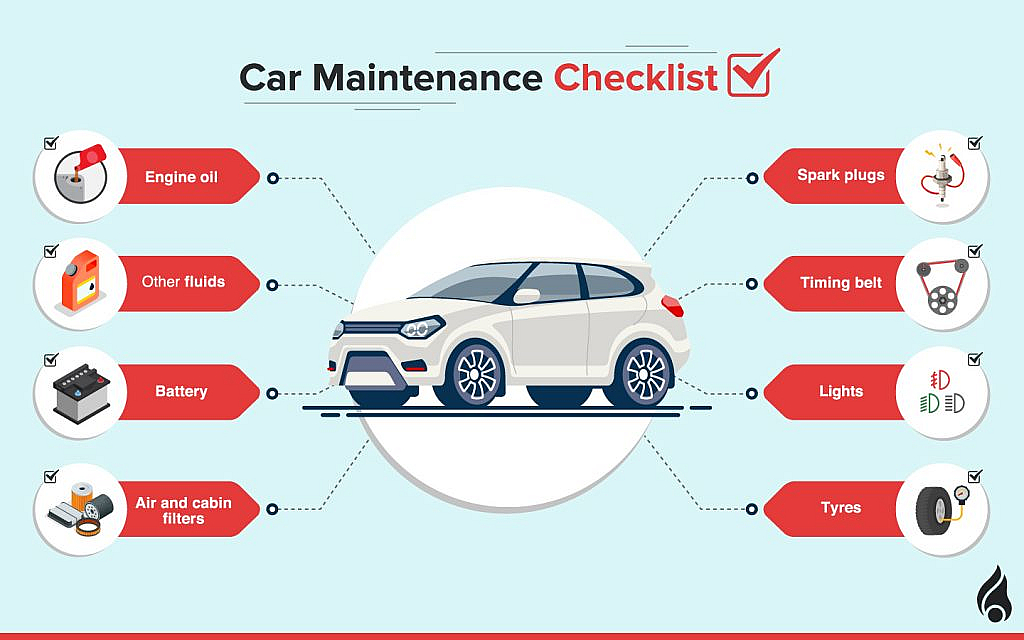
Engines are the heart of any vehicle, and mastering basic maintenance is crucial for beginners looking to save money and extend engine life. Simple tasks like checking oil levels, inspecting belts, and monitoring coolant can prevent costly repairs. Understanding your owner’s manual is the first step, as it outlines specific intervals for oil changes and filter replacements.
Regularly listening for unusual noises or smells helps catch issues early. With consistent care, even novice enthusiasts can keep their engines running smoothly, boost performance, and avoid breakdowns. This guide introduces essential habits every beginner should adopt.
- Essential Engine Maintenance Tips for Every Beginner
- Understanding Basic Engine Fluids and Their Maintenance
- Identifying and Addressing Common Warning Signs
- Establishing a Routine Inspection and Cleaning Schedule
- Essential Fluid Checks for a Toyota Engine
- Regular Air Filter Inspection and Replacement
- Battery Terminal Cleaning and Inspection
- Maintaining the Cooling System
- Inspecting and Replacing Engine Air Filter
- Frequently Asked Questions
Essential Engine Maintenance Tips for Every Beginner
Performing basic engine maintenance is crucial for extending the life of your vehicle and ensuring reliable performance. For beginners, understanding a few simple checks can prevent costly repairs and keep your engine running smoothly.
Regular attention to fluids, belts, and filters will not only improve efficiency but also help you spot potential problems early. By following these straightforward tips, you can build confidence in caring for your car's most vital component.
How to Check and Change Your Engine Oil Properly
The most fundamental tip for beginners is to regularly check your engine oil level and condition. First, ensure your car is parked on level ground and the engine is cool, then locate the dipstick, pull it out, wipe it clean, reinsert it, and pull it out again to read the level. The oil should be between the low and high marks and have a clear, amber color rather than a dark, gritty appearance.
If the oil level is low, add the recommended oil grade from your owner's manual; if it appears dirty, schedule an oil change. Changing your oil every 3,000 to 5,000 miles or as specified in your manual helps reduce friction and heat buildup, preventing severe engine damage.
Understanding and Maintaining Your Cooling System
Your engine's cooling system prevents overheating, so beginners should regularly inspect the coolant reservoir and radiator. When the engine is cool, check that the coolant level is between the min and max lines on the reservoir, and that the fluid is a vibrant color (often green, orange, or pink) without any oily residue.
You might be interested in this content.
It's also essential to inspect the radiator hoses for cracks, bulges, or leaks; replace them if they feel spongy or brittle. Neglecting coolant can lead to overheating, warped cylinder heads, or a blown head gasket, so flushing and replacing the coolant every two years or 30,000 miles is a wise habit.
Inspecting Belts and Hoses for Wear and Tear
Beginners should learn to visually inspect the serpentine belt and other drive belts under the hood, as they power critical components like the alternator and water pump. Look for signs of cracking, fraying, or glazing on the belt's surface, and check that it has proper tension—a belt that moves more than half an inch when pressed is likely too loose.
Similarly, examine all coolant and vacuum hoses for soft spots, bulges, or leaks, especially near connections. A broken belt or ruptured hose can leave you stranded immediately, so replacing any worn components promptly is a simple yet effective engine maintenance tip.
| Maintenance Task | Frequency for Beginners | Key Benefit |
|---|---|---|
| Check engine oil level | Every fuel fill-up | Prevents internal wear |
| Inspect coolant level | Monthly | Prevents overheating |
| Examine drive belts | Every 3 months | Avoids sudden breakdown |
Understanding Basic Engine Fluids and Their Maintenance
Oil, Coolant, and Other Vital Liquids
Engine fluids are the lifeblood of your vehicle, and maintaining them at proper levels and conditions is the most fundamental task for any beginner. Engine oil lubricates moving parts, reduces friction, and helps dissipate heat.
Coolant prevents the engine from overheating and protects against corrosion in cold weather. Other fluids like transmission fluid, brake fluid, and power steering fluid also play critical roles. Checking these fluids regularly can prevent major damage and costly repairs. Always refer to your owner's manual for the specific type and viscosity required for your vehicle.
- Check the engine oil level using the dipstick at least once a month, ensuring the engine is cold and the car is on level ground.
- Inspect the coolant reservoir level when the engine is cool, and never open the radiator cap when the engine is hot to avoid burns.
- Replace engine oil and oil filter according to the interval in your owner's manual, typically every 3,000 to 5,000 miles for conventional oil.
Identifying and Addressing Common Warning Signs
Recognizing Unusual Noises, Smells, and Dashboard Lights
Beginners should learn to recognize early warning signs that indicate potential engine problems. Unusual noises such as knocking, ticking, or squealing can suggest issues with belts, bearings, or fuel quality. Strange smells like burning oil or sweet coolant indicate leaks or overheating.
Dashboard warning lights, particularly the check engine light, should never be ignored. Addressing these signs promptly can prevent minor issues from escalating into major engine damage. Keep a simple log of when these signs occur to help mechanics diagnose problems accurately.
You might be interested in this content. How Often Should You Replace Filters?
- Pull over safely if you hear loud knocking or grinding sounds and have the vehicle towed to a mechanic if necessary.
- Investigate any sweet or burnt smells immediately by checking for visible leaks under the car or under the hood.
- Use an OBD-II scanner to read the check engine light code and research common causes or visit a professional for diagnosis.
Establishing a Routine Inspection and Cleaning Schedule
Visual Checks and Simple Cleaning Tasks That Extend Engine Life
Regular visual inspections and cleaning can prevent buildup of dirt and debris that can harm engine components. Beginners should make it a habit to inspect belts and hoses for cracks, fraying, or looseness.
The air filter should be checked every few months and replaced when dirty, as a clogged filter restricts airflow and reduces efficiency. Keeping the engine bay clean by removing leaves, dirt, and oil spills helps prevent fires and corrosion. These simple tasks can be performed in less than 30 minutes and greatly improve engine reliability.
- Inspect the serpentine belt and all visible hoses for signs of wear or leaks each time you change the oil.
- Remove the air filter and hold it up to a light; replace it if you cannot see light passing through it easily.
- Clean the engine bay using a degreaser and a soft brush, avoiding sensitive electronic components, and rinse with low-pressure water.
What are the top beginner-friendly maintenance tips for a Toyota engine?
Here are the top beginner-friendly maintenance tips for a Toyota engine.
Essential Fluid Checks for a Toyota Engine
Understanding the importance of oil, coolant, and transmission fluid
Regular fluid checks are the simplest way to keep a Toyota engine healthy. Engine oil lubricates moving parts and prevents wear, while coolant regulates temperature to avoid overheating. Transmission fluid ensures smooth gear shifts. For beginners, checking these fluids monthly can prevent costly repairs.
Start with the engine off and on a level surface. Locate the dipstick, wipe it clean, reinsert it, and pull it out to read the oil level. Coolant should be visible in the reservoir, ideally between the min and max marks. Transmission fluid often requires the engine to be warm and running, so consult the owner's manual for exact steps.
- Check engine oil level every month using the dipstick, ensuring it is between the two marks.
- Inspect coolant level in the reservoir when the engine is cold, avoiding opening a hot radiator cap.
- Verify automatic transmission fluid level with the engine warmed up and idling, following the dipstick procedure.
Regular Air Filter Inspection and Replacement
How a clean air filter improves engine performance and fuel economy
A clogged air filter restricts airflow to the engine, reducing power and fuel efficiency. Toyota engines rely on a clean, consistent air supply for proper combustion. Beginners can locate the air filter box, usually a black plastic housing near the top of the engine.
Open the clips or unscrew the cover, remove the filter, and hold it up to light. If you cannot see light through it, or if it is visibly dirty, replace it. This is a simple, low-cost maintenance task that should be performed every 15,000 to 30,000 miles, or more often in dusty conditions.
You might be interested in this content.
- Locate the air filter housing and open it by releasing the metal clips or unscrewing the cover.
- Remove the old filter and compare it to a new one; if dirty or blocked, discard it.
- Install the new filter securely, ensuring it fits snugly, then close and latch the housing.
Battery Terminal Cleaning and Inspection
Preventing corrosion and ensuring reliable engine starts
Corrosion on battery terminals can disrupt electrical flow, making it hard to start the engine. For a Toyota, a simple visual check of the battery terminals shows if a white or bluish powdery buildup exists. Beginners can safely clean this with a wire brush and a mixture of baking soda and water.
Always disconnect the negative terminal first, then the positive terminal, to avoid short circuits. After cleaning, reattach the terminals tightly and apply a thin layer of petroleum jelly to prevent future corrosion. This task takes only a few minutes and improves reliability.
- Disconnect the negative battery cable first, then the positive cable, using a wrench or socket.
- Scrub the terminals and posts with a wire brush until the metal is clean and shiny.
- Reconnect the positive cable first, then the negative cable, and tighten securely. Apply a protective coating if desired.
What are the essential engine maintenance steps every beginner should follow for DIY car care?
Essential Engine Maintenance Steps for Beginners
Checking and Changing Engine Oil
Engine oil is the lifeblood of your car, lubricating moving parts and reducing friction. for a beginner, checking the oil level regularly is the most fundamental step. you should do this once a month or before a long trip. start by parking on level ground and turning off the engine, then wait a few minutes for the oil to settle.
Pull out the dipstick, wipe it clean, reinsert it fully, and pull it out again to read the level. the oil level should be between the two marks. if it is low, add oil incrementally. changing the oil completely is also critical every 3,000 to 5,000 miles, depending on your car and oil type. this involves draining the old oil from the drain plug, replacing the oil filter, and refilling with the correct oil grade.
- Warm up the engine slightly to thin the oil, then turn it off and locate the oil drain plug under the car.
- Place a drain pan under the plug, remove the plug carefully with a wrench, and let all old oil drain out completely.
- Remove the old oil filter with a filter wrench, apply a little new oil to the new filter's gasket, screw it on by hand until snug, then reinstall the drain plug.
- Refill the engine with the recommended amount and type of oil, then start the engine and check for leaks.
Maintaining the Cooling System
Checking Coolant Levels and Flushing the Radiator
The cooling system prevents your engine from overheating, which can cause severe damage. for a beginner, the first step is to check the coolant level in the overflow tank when the engine is cold. the fluid should be between the min and max lines. if it is low, add a 50/50 mix of coolant and distilled water.
Additionally, inspect the coolant for color and clarity; it should be bright green, orange, or pink, not rusty or muddy. a full radiator flush is needed every two to three years or as specified in your owner's manual. this process removes debris and old coolant, ensuring proper heat transfer and corrosion protection. never open a hot radiator cap, as pressure can cause burns.
- Ensure the engine is completely cool, then locate the radiator drain valve at the bottom of the radiator and place a pan underneath.
- Open the drain valve and let the old coolant flow out fully, then close the valve securely.
- Add a radiator flush chemical through the radiator filler neck, then fill the rest of the system with distilled water, put the cap on loosely, run the engine as directed by the flush product instructions, and drain again.
- Refill the system with the correct pre-mixed coolant until the overflow tank reaches the full line, then run the engine to burp any air pockets.
Inspecting and Replacing Engine Air Filter
Checking the Air Filter and Installing a New One
The engine air filter prevents dirt and debris from entering the combustion chambers, which can cause wear and reduce fuel efficiency. for a beginner, this is one of the easiest maintenance tasks. you should check the air filter every 12,000 miles or once a year, and replace it sooner if you drive on dusty roads.
You might be interested in this content. Kia Rio Maintenance Schedule: The Easy Guide to Keeping Your Rio Running Smoothly
Locate the air filter housing, usually a large black plastic box on top or at the side of the engine. open it by unsnapping clips or unscrewing fasteners, then lift out the old filter. hold it up to the light; if you cannot see light through the filter material, it is too dirty and must be replaced. always use a filter that matches your car's specifications.
- Open the air filter housing by releasing the clips or unscrewing the screws, being careful not to drop fasteners into the engine bay.
- Remove the old air filter and compare it visually to the new one; note the orientation of any rubber seals or tabs so you can install the new filter correctly.
- Clean any debris or insects from the housing using a shop vacuum or clean, dry cloth, but do not use liquids.
- Insert the new air filter into the housing in the same position as the old one, then securely close the housing by snapping clips or tightening screws evenly.
Frequently Asked Questions
How often should I check my engine oil?
You should check your engine oil at least once a month and before any long road trip. For best practice, do it when the engine is cold or has been off for a few minutes so the oil settles.
Pull out the dipstick, wipe it clean, reinsert it, and then check the level. The oil should be between the min and max marks. If it is low, add the correct oil grade for your vehicle. This helps prevent engine wear and overheating.
What is the proper way to check engine coolant?
Check the engine coolant level only when the engine is completely cool to avoid burns from hot steam or liquid. Locate the coolant reservoir, typically a translucent plastic tank near the radiator.
Observe the markings on the side; the fluid should be between the “full” and “low” lines. If it is low, use a 50/50 mixture of antifreeze and distilled water. Never open the radiator cap on a hot engine, as pressure can cause serious injury.
How do I inspect my air filter correctly?
To inspect the air filter, first locate the air filter housing—usually a black plastic box near the engine’s intake. Unclip or unscrew the cover and remove the filter element. Hold it up to a bright light; if you cannot see light passing through, it is clogged.
Also check for dirt, debris, or oil stains. Replace the filter if it appears dirty or damaged. Typically, you should change the air filter every 12,000 to 15,000 miles to ensure proper airflow and fuel efficiency.
You might be interested in this content. Why Does My Car Leak Fluids?
What are the signs of a failing car battery?
Common signs of a failing battery include slow engine cranking, dim headlights, and a clicking sound when turning the key. You may also notice the battery warning light on your dashboard or a swollen, leaking battery case.
Cold weather often worsens these symptoms. Check the battery terminals for corrosion—a white or bluish powder—which can prevent proper connection. Regular testing with a multimeter can let you know if the battery holds a charge of at least 12.6 volts.
Leave a Reply