
Essential Preventive Maintenance Tips
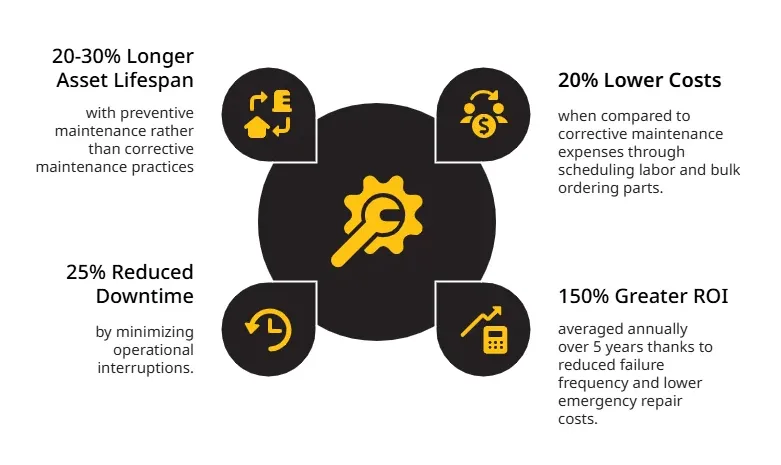
Preventive maintenance is the cornerstone of operational efficiency and equipment longevity, saving businesses from costly breakdowns and unexpected downtime. By implementing a structured routine, you can identify minor issues before they escalate into major failures.
This proactive approach not only extends the lifespan of machinery and systems but also ensures safety and consistent performance. From scheduling regular inspections to monitoring wear and tear, simple habits like lubrication, cleaning, and calibration can make a significant difference. In this guide, we explore essential tips to streamline your maintenance practices, helping you protect assets, reduce repair costs, and maintain peak productivity across your operations.
- Essential Preventive Maintenance Tips for Optimal System Longevity
- Essential Preventive Maintenance Tips
- Documenting Inspection Schedules and Checklists
- Detailing Lubrication and Fluid Management Procedures
- Establishing Calibration and Safety Device Testing Protocols
- Data-Driven Condition Monitoring and Predictive Analytics
- Standardized Lubrication Management Programs
- Root Cause Failure Analysis and Documentation
- Time-Based Maintenance in Equipment Care
- Usage-Based Maintenance for Optimized Equipment Care
- Predictive and Condition-Based Maintenance for Advanced Equipment Care
- Frequently Asked Questions
- What is the single most effective preventive maintenance tip for extending the lifespan of household appliances?
- How often should I change the air filters in my HVAC system to maintain efficiency?
- What are the key steps for maintaining a vehicle's engine between professional services?
- How can I prevent plumbing issues like clogs and leaks without professional help?
Essential Preventive Maintenance Tips for Optimal System Longevity
Preventive maintenance is a proactive approach focused on regularly inspecting, cleaning, and servicing equipment to prevent unexpected failures and costly repairs.
By adhering to a structured schedule, you can identify minor issues before they escalate, ensuring that your machinery, vehicles, or facilities operate at peak efficiency. This strategy not only extends the lifespan of your assets but also enhances safety, reduces downtime, and optimizes performance, ultimately saving both time and money.
Conduct Routine Inspections and Cleanings
The cornerstone of any effective preventive maintenance plan is the regular inspection and cleaning of all components. Scheduling monthly visual checks allows you to spot early signs of wear, leaks, or corrosion.
For example, in HVAC systems, cleaning or replacing air filters every 90 days prevents airflow restrictions that force the unit to work harder. Similarly, lubricating moving parts and removing debris from machinery surfaces reduces friction and heat buildup, which are primary causes of mechanical failure.
Establish a Detailed Maintenance Schedule and Checklist
A well-documented schedule is critical for consistency and accountability. Create a calendar-based or usage-based checklist that outlines specific tasks for each asset, such as checking fluid levels, testing safety systems, or calibrating sensors.
You might be interested in this content.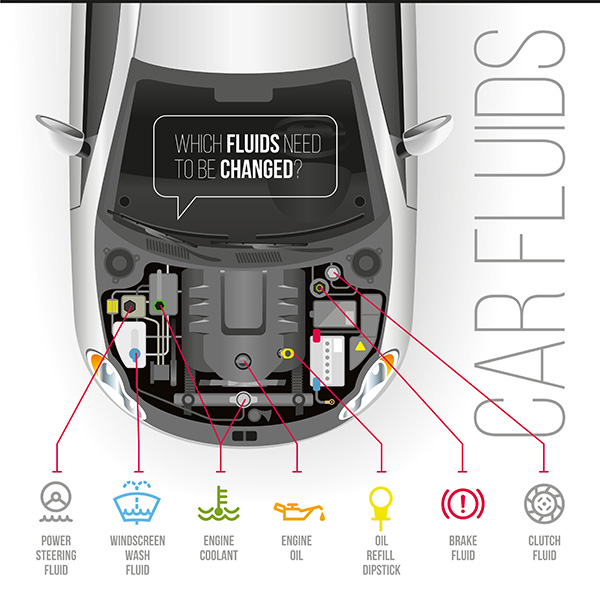 Vehicle Fluids You Should Check Regularly
For vehicles, this might include oil changes every 5,000 miles and tire rotations. Using digital tools or logbooks to track completed tasks ensures no step is overlooked, while the checklist itself serves as a record for compliance audits and helps predict future maintenance needs.
Train Staff on Proper Equipment Handling
Human error is a leading cause of premature equipment damage, making thorough training an essential preventive measure. Educate all operators on correct startup and shutdown procedures and the importance of immediate reporting of unusual noises, vibrations, or performance dips.
For instance, training warehouse personnel on the daily inspection of forklift tires and brakes can prevent accidents and costly repairs. Empowering employees with this knowledge transforms them into the first line of defense against system degradation.
| Maintenance Area | Key Action | Recommended Frequency | Expected Benefit |
|---|---|---|---|
| HVAC Systems | Replace air filters | Every 1-3 months | Improves energy efficiency and air quality |
| Industrial Motors | Lubricate bearings | Every 6 months | Reduces friction and prevents overheating |
| Company Vehicles | Check tire pressure | Weekly | Extends tire life and improves fuel economy |
| Electrical Panels | Inspect for loose connections | Annually | Prevents electrical fires and power outages |
Essential Preventive Maintenance Tips
What are the key preventive maintenance tips to include in a maintenance plan PDF?
A key preventive maintenance plan PDF should include the following tips. First, establish a clear schedule based on manufacturer intervals and equipment usage. Second, document all inspections for component wear, like belts and filters. Third, perform regular lubrication on moving parts to reduce friction.
Fourth, include calibration checks for measurement tools and sensors. Fifth, test safety equipment, such as emergency stops and guards. Sixth, create clear procedures for cleaning to prevent dust buildup. Seventh, maintain a spare parts inventory to minimize downtime. Eighth, train staff on proper operation and early issue detection. Ninth, record all maintenance activities with dates and technician notes. Tenth, review and update the plan annually based on performance data.
Documenting Inspection Schedules and Checklists
Creating a structured approach to routine equipment checks
A comprehensive maintenance plan PDF must incorporate detailed inspection schedules and checklists to ensure no critical component is overlooked. These schedules should be driven by time intervals, such as weekly or monthly, or by usage metrics like operating hours or cycles.
The checklists need to be specific to each piece of equipment, outlining what to look for during inspections, such as unusual noises, leaks, or vibration levels. Standardizing these checks through a documented procedure helps maintenance teams consistently evaluate equipment health.
You might be interested in this content. Signs Your Car Needs Maintenance
- Define inspection frequency for each asset in a calendar or hour-based system, clearly visible in the plan.
- List specific items to check, such as fluid levels, belt tension, and electrical connections, in a measurable way.
- Provide a signing space for the technician to confirm completion and add initial findings or anomalies.
Detailing Lubrication and Fluid Management Procedures
Preserving component function through proper lubrication and fluid quality
Proper lubrication is a cornerstone of preventive maintenance, as it directly impacts friction, heat generation, and wear rates. The maintenance plan should specify the correct type and grade of lubricant for each bearing, gearbox, or chain, and indicate the application method.
Additionally, it must cover fluid management for systems like hydraulic units and cooling loops, including regular sampling to check for contamination or degradation. Documenting these procedures prevents common errors like mixing incompatible lubricants.
- Identify all lubrication points on each machine, using tags or diagrams for clarity.
- Specify the exact lubricant brand, type, and viscosity required for each point.
- Schedule periodic fluid analysis to detect water, particles, or chemical breakdown in oils and coolants.
Establishing Calibration and Safety Device Testing Protocols
Ensuring measurement accuracy and operator protection
The plan must include dedicated protocols for calibrating measurement instruments and testing all safety devices. Calibration ensures that sensors, gauges, and controllers provide accurate data, preventing production errors or equipment damage. Safety device testing involves verifying the functionality of emergency stop buttons, light curtains, guards, and alarms. Regular testing and documentation help comply with safety regulations and protect personnel.
- List all instruments requiring calibration, including their acceptable tolerance ranges and calibration method.
- Set a testing frequency for each safety device, such as daily for light curtains or monthly for emergency stops.
- Record test results and calibration certificates, attaching them to the maintenance plan file for auditing.
What are the most effective preventive maintenance strategies for extending equipment lifespan?
Data-Driven Condition Monitoring and Predictive Analytics
Transitioning from time-based to condition-based maintenance schedules
The most effective preventive maintenance strategies rely on real-time data from equipment sensors, such as vibration analysis, thermography, and oil analysis. This approach focuses maintenance actions on actual equipment condition rather than fixed intervals, reducing unnecessary part replacements and labor while preventing unexpected breakdowns.
Condition monitoring enables early detection of wear patterns, imbalance, misalignment, or contamination, allowing for targeted interventions before minor issues escalate into major failures. Implementing predictive analytics further refines schedules by analyzing historical failure data to forecast optimal maintenance windows.
- Install sensors to collect vibration, temperature, and pressure data continuously.
- Use machine learning software to identify abnormal patterns and set alarm thresholds.
- Schedule maintenance actions only when alerts indicate predetermined degradation limits.
Standardized Lubrication Management Programs
Extending component life through proper contamination control and lubricant selection
Lubrication is often cited as the leading cause of equipment failure when done improperly. A structured lubrication program includes selecting the correct viscosity and additives for each application, establishing contamination control through filtration and desiccant breathers, and maintaining precise grease or oil volumes.
Regular lubricant analysis tracks acid number, particle count, and water content to assess both lubricant health and equipment condition. Cleaning and replacing lubricants at intervals determined by analysis rather than arbitrary calendar dates significantly reduces friction, heat, and wear on bearings, gears, and seals.
You might be interested in this content. DIY Vehicle Maintenance Tasks
- Develop a schedule for routine lubricant sampling and analysis from all critical points.
- Implement color-coded dispensing equipment and training to prevent cross-contamination.
- Replace or filter lubricants based on contamination levels and chemical degradation tests.
Root Cause Failure Analysis and Documentation
Preventing recurrence through systematic investigation of equipment failures
Even the best preventive maintenance strategies encounter unexpected failures. The most effective approach is to conduct thorough root cause failure analysis on every significant breakdown. This involves documenting the failure mode, examining physical evidence, interviewing operators, and tracing back to the initiating cause.
Instead of replacing a failed bearing or component, the team identifies whether the cause was a lubrication error, alignment drift, operating overload, or design flaw. Corrective actions are then implemented to eliminate the root cause, and lessons learned are incorporated into the regular maintenance plan. Maintaining a searchable database of failure analyses builds institutional knowledge and continuously refines preventive strategies.
- Form a cross-functional team to investigate each major equipment failure within one week.
- Use the 5 Whys or fishbone diagram to identify physical, human, and latent root causes.
- Document findings and update preventive maintenance checklists and training materials accordingly.
What are the four essential types of preventive maintenance for effective equipment care?
The four essential types of preventive maintenance for effective equipment care are time-based maintenance, usage-based maintenance, predictive maintenance, and condition-based maintenance.
Time-Based Maintenance in Equipment Care
Scheduled Inspections and Replacements at Fixed Intervals
Time-based maintenance, also known as calendar-based maintenance, involves performing maintenance tasks at predetermined time intervals regardless of the equipment's current condition.
This approach relies on manufacturer recommendations and historical data to schedule activities such as oil changes, filter replacements, and system checks on a weekly, monthly, or yearly basis. It is straightforward to implement and helps prevent unexpected failures by ensuring regular attention, though it may lead to unnecessary servicing if equipment is used lightly.
- Determine the optimal time intervals based on manufacturer guidelines and operational experience.
- Create a master maintenance calendar that lists all tasks, their frequencies, and responsible personnel.
- Use automated software tools to generate work orders and track completion of scheduled tasks.
Usage-Based Maintenance for Optimized Equipment Care
Maintenance Triggered by Operational Metrics
Usage-based maintenance schedules tasks according to how much a piece of equipment has been used, measured in hours, cycles, miles, or production units.
Instead of relying solely on time, this method aligns maintenance with actual wear and tear, making it more efficient for equipment that experiences variable usage patterns. For example, a forklift may require an oil change every 500 operating hours rather than every three months, ensuring that rarely used machines are not over-serviced while heavily used ones receive timely attention.
You might be interested in this content.
- Install hour meters or cycle counters on key equipment to track usage accurately.
- Define maintenance thresholds for each asset based on usage metrics and component lifespan.
- Integrate usage data with a computerized maintenance management system to automate maintenance triggers.
Predictive and Condition-Based Maintenance for Advanced Equipment Care
Monitoring Real-Time Data to Forecast Failures
Predictive maintenance uses sensor data and analytical techniques to monitor equipment conditions and predict when failures are likely to occur, while condition-based maintenance focuses on predefined thresholds of measurable parameters like vibration or pressure.
Both types rely on continuous or periodic monitoring to detect early signs of deterioration, allowing teams to intervene just before a breakdown happens. This approach reduces unnecessary maintenance activities, extends equipment life, and minimizes downtime by addressing issues only when data indicates they are imminent.
- Install sensors to capture key parameters such as temperature, vibration, and lubricant quality.
- Establish baseline values and alarm thresholds for each monitored condition.
- Review data trends regularly and schedule corrective actions when readings approach warning levels.
Frequently Asked Questions
What is the single most effective preventive maintenance tip for extending the lifespan of household appliances?
The most effective tip is regular cleaning. For refrigerators, vacuum condenser coils every six months to prevent overheating. For washing machines, run a monthly hot water cycle with vinegar to remove residue. For dryers, clean the lint filter after every use and check the exhaust vent annually. This simple habit prevents breakdowns, improves efficiency, and reduces the risk of fires, adding years to your appliances' operational life.
How often should I change the air filters in my HVAC system to maintain efficiency?
Check your air filters monthly and replace them every 90 days at minimum. However, if you have pets, allergies, or live in a dusty area, change them every 30-60 days. Clogged filters force your system to work harder, increasing energy consumption by up to 15% and causing premature wear. Clean filters improve indoor air quality and keep your HVAC running smoothly, reducing the need for costly repairs.
What are the key steps for maintaining a vehicle's engine between professional services?
Check your engine oil level every 500 miles and change it according to your owner's manual, typically every 5,000-7,500 miles. Inspect coolant, brake fluid, and power steering fluid monthly, topping off as needed.
Keep the battery terminals clean and tighten connections. Also, replace windshield wiper blades every six months. These quick checks prevent overheating, battery failure, and fluid leaks, ensuring reliable performance and avoiding roadside emergencies.
How can I prevent plumbing issues like clogs and leaks without professional help?
Prevent clogs by using drain strainers in sinks and tubs to catch hair and debris. Never pour grease, coffee grounds, or fibrous foods down the garbage disposal. Run hot water for 30 seconds after each disposal use to flush particles.
You might be interested in this content. Engine Maintenance Tips for Beginners
For leaks, inspect under-sink pipes and toilet supply lines quarterly for small drips. Tighten loose connections with a wrench, but avoid overtightening. These practices prevent major blockages and water damage, saving costly plumber visits.
Leave a Reply